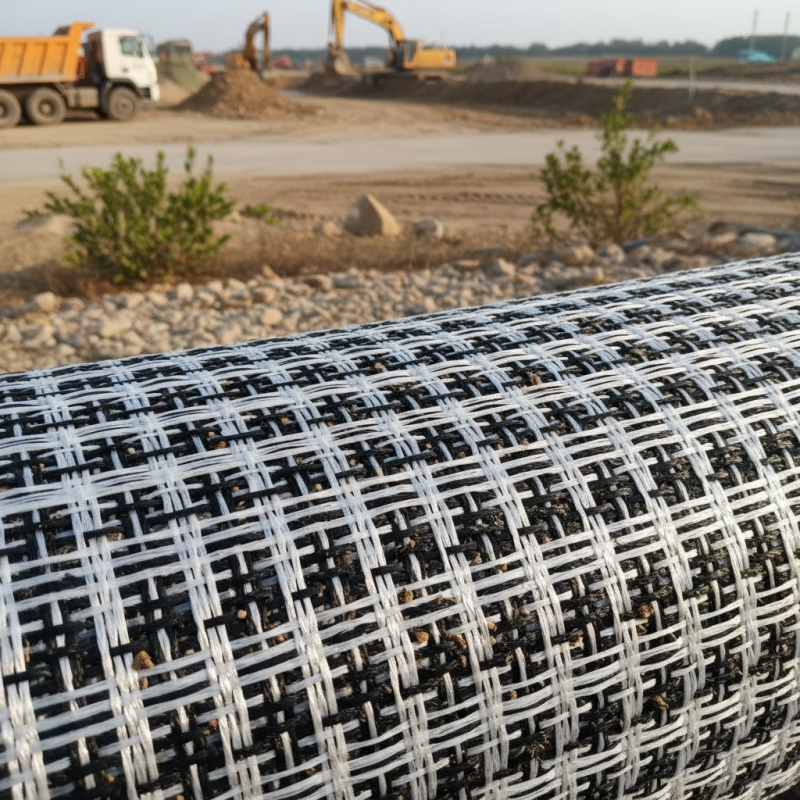
Best Geotextile Fabric for Global Procurement Needs?
Geotextile Fabric plays a crucial role in various engineering and construction projects worldwide. This multipurpose material offers solutions for drainage, soil stabilization, and erosion control. Many industries rely on geotextiles to ensure structural integrity and sustainability.
Choosing the best geotextile fabric can be challenging. Various types are available, each designed for specific applications. Factors like material composition and permittivity affect performance. Understanding these key aspects is essential for effective procurement.
Professionals must evaluate their needs carefully. The right fabric can significantly impact project outcomes and environmental sustainability. However, making the wrong choice may result in costly mistakes. Clear guidelines can help ensure informed decisions in global procurement.
Best Geotextile Fabric Types: An Overview of Global Options
Geotextile fabrics play a critical role in various construction and civil engineering applications. The right type can significantly affect project efficiencies. A report by Research and Markets identifies a 7% annual growth rate in the geotextile market, driven largely by increased global infrastructure investment. This trend highlights the variety of options available to meet diverse geotextile needs.
Let’s explore some common types. Woven geotextiles provide high tensile strength, making them suitable for load-supporting applications. Non-woven geotextiles offer excellent drainage and filtration properties. They are often used in erosion control and landscaping. Biodegradable geotextiles are emerging as a sustainable option, aligning with global sustainability goals. However, there are challenges in sourcing these materials consistently, and costs can vary widely based on region.
Quality assurance remains a concern in the global market. Not all geotextiles meet necessary performance standards. Understanding the specifications and certifications is crucial for procurement success. Moreover, evolving environmental regulations add a layer of complexity. Buyers may need to reassess their choices regularly to ensure compliance while achieving performance goals.
Best Geotextile Fabric Types: An Overview of Global Options
| Fabric Type | Material | Typical Applications | Properties | Global Availability |
| Non-Woven Geotextile | Polypropylene/Polyester | Drainage, Filtration | High permeability, good filtration | Widely available |
| Woven Geotextile | Polypropylene | Separation, Reinforcement | High strength, durable | Global supply chains |
| Geocell | HDPE | Slope stabilization, Green roofs | Flexible, lightweight | Available in major markets |
| Geotextile Tube | Polyester | Dewatering, Coastal protection | Robust, capable of withstanding high pressure | Commonly used in Asia and Europe |
| Orange Peel Geotextile | Polypropylene | Erosion control, Vegetative support | Enhanced soil retention | Readily accessible in NA and EU |
Key Characteristics and Benefits of Geotextile Fabrics in Procurement
Geotextile fabrics play a vital role in global procurement. These materials are used in various applications, including earthworks and environmental projects. The global geotextile market was valued at approximately $8.2 billion in 2021, with a projected CAGR of 8.5% from 2022 to 2030. This growth reflects the increasing need for durable and efficient materials.
Key characteristics of geotextile fabrics include their permeability and strength. They are designed to allow water flow while providing soil stabilization. This is essential in projects like road construction, where soil erosion can be a significant concern. According to a report by MarketsandMarkets, the non-woven segment dominated the market in 2021. This highlights the preference for materials that can be easily manufactured and deployed.
Procurement professionals must understand these characteristics. Choosing the right geotextile fabric can significantly impact project outcomes. However, some may overlook the importance of local environmental conditions. Variability in soil type and climate can affect material performance. Hence, thorough site assessments are crucial before making a decision.
Market Trends: Geotextile Fabric Demand and Production Statistics
The demand for geotextile fabric is on the rise. Various sectors require these materials for different applications. Roads, parks, and drainage systems often utilize geotextiles. They provide stability and improve soil conditions. Moreover, their ability to separate soil layers is crucial in construction.
Production statistics show a shift in sourcing patterns. Many countries are increasing their production capacity. This shift addresses the global demand effectively. However, challenges remain in meeting quality standards across markets. There are discrepancies in material performance, which can affect projects' success.
The evolving market reflects broader trends. Sustainability is becoming a significant factor in procurement decisions. Many companies seek eco-friendly options. However, the availability of these sustainable materials is limited. This gap necessitates a reflection on current manufacturing methods. Organizations need to consider efficiency and waste reduction in their procurement processes. Prioritizing quality and environmental responsibility will be vital in shaping the future of the geotextile fabric market.
Geotextile Fabric Demand and Production Statistics (2023)
Sustainability in Geotextiles: Eco-Friendly Materials and Practices
Sustainability in geotextiles plays a crucial role in addressing environmental concerns. Eco-friendly materials are gaining traction. Biodegradable options, for instance, can reduce long-term waste. These fabrics can decompose naturally, but they may not always meet durability needs. Balancing sustainability with performance remains a challenge.
Incorporating recycled fibers into geotextiles is another promising avenue. Recycling reduces resource extraction and lowers energy consumption. However, the quality of recycled materials can vary significantly. This unpredictability complicates their use in critical applications. It raises questions about long-term performance reliability in real-world conditions.
Adopting innovative practices is vital for advancing sustainable geotextile production. Many manufacturers are exploring low-impact processing techniques. Yet, these methods may increase production costs. Striking the right balance between affordability and eco-friendly practices requires ongoing dialogue within the industry. Sustainable practices must evolve to meet the dynamic challenges of global procurement needs.
Cost Analysis: Price Trends and Budgeting for Geotextile Fabric Projects
Geotextile fabric is essential in construction and environmental projects. As global demand rises, understanding cost dynamics becomes crucial. Recent industry reports show that the raw material costs for geotextile fabric have fluctuated by 5-10% annually over the past five years. These trends indicate an increasing demand for more sustainable options, driving prices upward.
When budgeting for geotextile projects, consider both direct and indirect costs. Manufacturing, shipping, and installation fees can significantly impact the overall budget. A leading study in 2023 identified that logistics issues raised costs by 8% due to delays in supply chains. Such factors force procurement managers to adapt their strategies. Relying solely on historical data might lead to budget overruns.
Analyzing unit costs reveals that nonwoven fabrics average $0.50 to $1.50 per square yard, while woven types range from $0.80 to $2.00. This variability highlights the need for careful material selection. It’s also essential to assess durability, which can affect long-term project savings. Investing in high-quality geotextiles may initially strain budgets, but improved performance often justifies higher upfront costs. Balancing quality against expense is an ongoing challenge in effective project management.