What is the Best Solar MPPT Controller for Your System?
The demand for renewable energy solutions is rising. According to a report by the International Renewable Energy Agency (IRENA), solar energy contributed to over 25% of the world's renewable energy generation in 2022. A significant part of optimizing solar energy systems is choosing the right Solar MPPT controller.
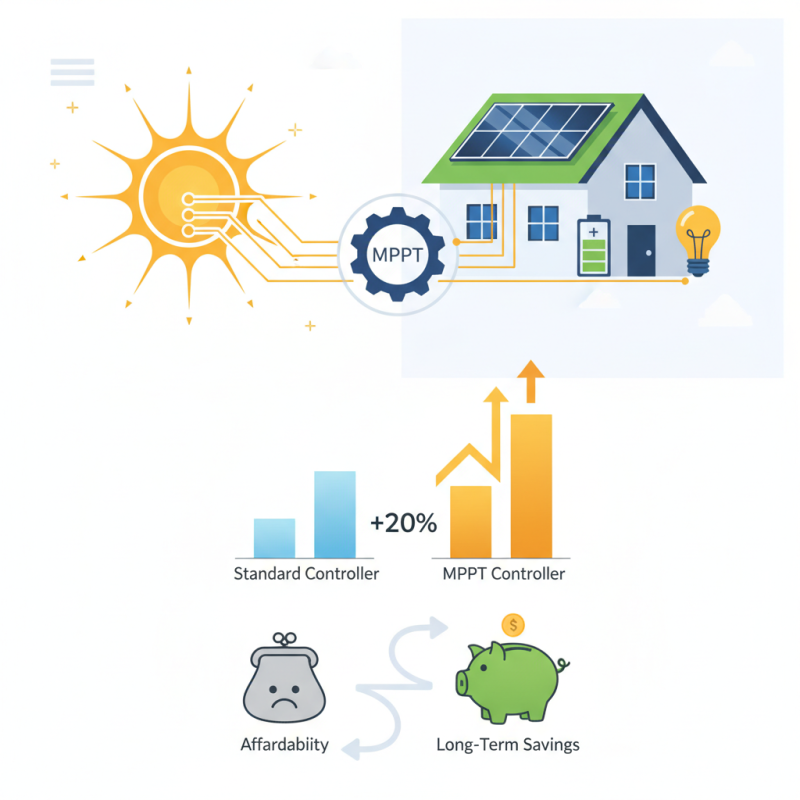
An effective Solar MPPT controller can increase energy harvest by 20% or more. This efficiency gain makes a real difference in system performance. However, the selection process can be confusing. There are countless models available, each with varying features. You need to consider factors like voltage, current rating, and efficiency. Small details matter here.
While many users prioritize affordability, premium models can offer superior efficiency. This often leads to better long-term savings. Unfortunately, not all users choose the most effective options. It reflects a common oversight. In the world of solar technology, informed decisions make all the difference. Selecting the right Solar MPPT controller might seem trivial, but it is crucial for maximizing your solar investment.
Understanding Solar MPPT Controllers and Their Importance
Solar MPPT controllers play a crucial role in maximizing energy from solar panels. They convert solar energy into usable electricity. This conversion process improves the efficiency of your solar system. Without an MPPT controller, you might miss out on significant energy gains. It adjusts the voltage and current to find the optimal power point. This dynamic adjustment can make a noticeable difference in energy output.
Choosing the right MPPT controller can be tricky. Not all systems are the same. Consider your specific requirements, like solar panel capacity and battery type. A mismatch can lead to underperformance or even damage. You might face frustrations if your choice doesn't fit well. It’s essential to read specifications carefully and perhaps consult professionals. Remember, every system has its unique characteristics. Sometimes, trial and error can lead to better choices in the long run.
Key Features to Look for in MPPT Controllers
When choosing a solar MPPT (Maximum Power Point Tracking) controller, several key features should be at the forefront of your decision. Efficiency is crucial. A good controller should have a conversion efficiency above 95%. This means it can effectively capture most of the solar energy produced. The controller should also be able to handle varying weather conditions. Solar panels may generate inconsistent power, and a reliable MPPT controller can adjust accordingly.
Next, consider the input voltage range. MPPT controllers vary in their input ranges, and it's vital to find one that matches your solar array setup. Compatibility with your battery type is essential too. Different batteries have unique charging requirements. An ideal controller should cater to your specific battery chemistry for optimal performance. Also, monitor functionalities can enhance your experience. Real-time data can help you make informed decisions about energy use and system efficiency.
Lastly, installation and ease of use matter. Some controllers can be complex to install. Clarity in the manual can make a difference. If the interface is confusing, it could lead to mistakes. Reflect on these aspects carefully. Balancing efficiency, functionality, and user-friendliness is key for getting the best out of your solar system.
What is the Best Solar MPPT Controller for Your System? - Key Features to Look for in MPPT Controllers
| Feature | Description | Example Value |
| Max Input Voltage | The maximum voltage that the controller can handle from the solar panel. | 100V |
| Rated Current | The maximum current output the controller can deliver to the battery. | 30A |
| Efficiency | The ratio of output power to input power, typically expressed as a percentage. | 95% |
| Temperature Compensation | Adjustment of charging voltage based on the temperature of the battery. | Yes |
| Display Type | Type of display used to show system status and statistics. | LCD |
| Communication Protocol | Protocols used for communication with monitoring apps or devices. | RS-232, Bluetooth |
| Warranty | The length of time the manufacturer guarantees the product. | 5 Years |
Top MPPT Controllers on the Market for Different Systems
When selecting an MPPT controller, consider your system’s size and power needs. Different systems, from small RVs to large home setups, require varying specifications. It’s crucial to match the controller’s voltage and amperage ratings with your solar panels. Some controllers excel in efficiency. However, efficiency can vary across different models.
Look for essential features like temperature compensation, display options, and battery type compatibility. These can significantly impact performance. Ensure the controller can handle the wattage of your solar array. Many users overlook this detail, potentially leading to system failures.
Tips: Always read user reviews. They often highlight common issues or exceptional features. Consider the ease of installation as well. Some controllers may have a steep learning curve. Take the time to understand your chosen model fully. An informed choice leads to better long-term results.
Comparative Analysis of MPPT Controllers: Cost vs. Performance
Choosing the right MPPT controller can be daunting. Cost and performance often clash in this decision-making process. A lower-priced controller may attract you, but it could be less efficient. High efficiency can mean a better return on your investment in the long run.
Consider a system that requires optimal energy conversion. Some controllers may boast advanced features, but at a premium cost. You must weigh the benefits against your budget. Strange failures in cheaper models also crop up. These can lead to downtime, affecting your energy output.
Energy efficiency is key. A controller that performs well can save you money over time. However, performance claims sometimes miss the mark. Be cautious of marketing buzzwords. It's wise to reflect on your energy needs and the specific challenges of your installation. The perfect balance can be elusive, demanding careful thought and evaluation.
Installation and Maintenance Tips for Optimal MPPT Controller Usage
Installing and maintaining a solar MPPT (Maximum Power Point Tracking) controller is crucial for maximizing your solar system’s efficiency. Begin by selecting a suitable location for the controller. It should be away from excessive heat and moisture. A shaded area is ideal. Ensure that the wires are adequately secured and protected from wear. Not all wire types are equal. Use high-quality cables to prevent energy loss.
Regular maintenance is essential to keep your MPPT controller in top condition. Check connections for corrosion or wear at least once every season. Dust and debris can accumulate, impacting performance. A gentle cleaning with a soft cloth may be needed. Over time, software updates may also be available for your MPPT controller. Neglecting these upgrades can hinder efficiency.
Monitor the performance metrics often. If you notice a drop in energy output, it might signal a problem. Identifying issues early can save time and money. You might face challenges, like unpredictable weather or sudden drops in sunlight. Reflect on your setup periodically. Adjustments may be necessary to optimize your solar energy capture. Your energy goals should evolve with your system's development.