7 Best Vehicle Battery Checkers for Global Buyers
A reliable Vehicle Battery Checker can prevent a quiet driveway from becoming a costly travel problem. A weak battery may still start an engine once, then fail after a cold night. This guide examines seven practical battery checkers for global buyers. It focuses on measurable performance, not impressive packaging alone. Each model is considered for voltage accuracy, starting-current testing, battery compatibility, screen clarity, and everyday durability.
The review also considers 12V and 24V systems, AGM and EFB batteries, and alternator checks. These details matter for family cars, motorcycles, vans, and commercial vehicles. A useful tester should provide readable results within seconds. It should also explain battery condition clearly, even for first-time users. Basic safety remains essential. Buyers should follow the manufacturer’s instructions and avoid damaged terminals or swollen batteries.
No device is perfect.
Climate can affect results. So can battery age, surface charge, and poor connections. A checker that works well in a warm garage may behave differently in freezing weather. Global buyers should also examine measurement standards, replacement support, app language, and regional availability. These factors are easy to overlook. They should not be.
Our selection aims to balance professional diagnostic features with realistic home use. Some testers offer deeper data, while others deliver simpler decisions. The highest price does not guarantee the best experience. That is worth remembering. This comparison provides a dependable starting point, but readers should verify specifications before purchase. A careful test can support a better decision, yet it cannot replace proper vehicle maintenance or qualified mechanical advice.
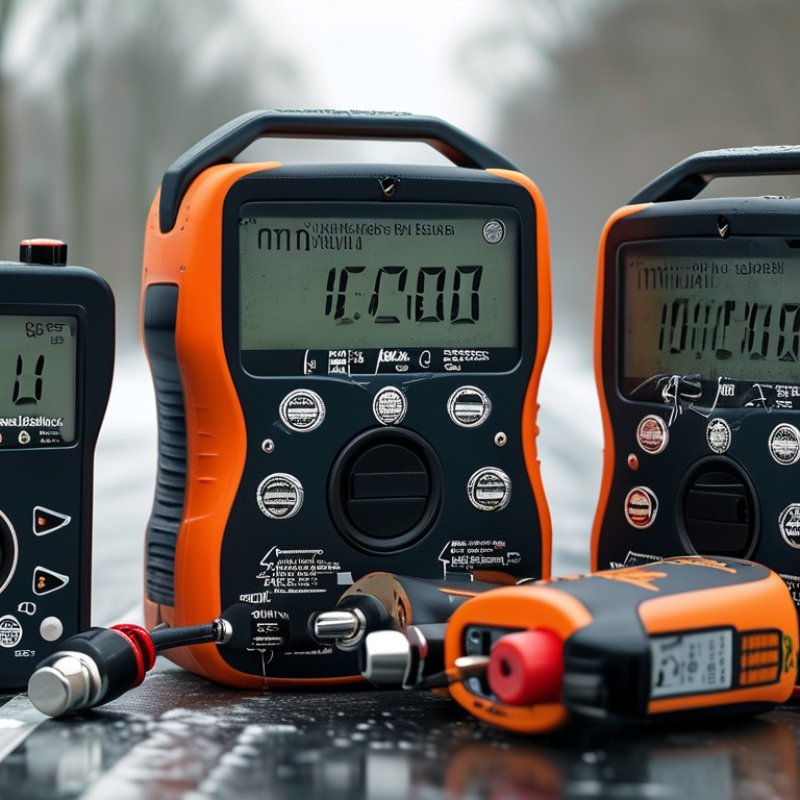
What a Vehicle Battery Checker Measures
A vehicle battery checker measures more than simple voltage. It evaluates the battery’s resting voltage, starting strength, internal resistance, and estimated state of charge. Resting voltage shows available electrical potential after the vehicle has been off for several hours. A healthy 12-volt battery often reads near 12.6 volts, while readings below 12.2 volts suggest significant discharge.
Starting strength matters more in cold weather. The checker estimates cold-cranking performance by applying a controlled electronic load or using conductance testing. It then compares the result with the battery’s rated cold-cranking amps. Internal resistance is also important. Rising resistance can indicate aging plates, sulfation, or poor connections. The 2024 ADAC breakdown statistics reported that starter-battery problems caused 44.1% of recorded vehicle breakdowns. That figure shows why a quick dashboard warning is not enough.
Some advanced checkers detect charging voltage and alternator ripple. A running engine commonly produces about 13.7 to 14.7 volts, although vehicle systems vary. Excessive ripple may suggest charging-system trouble, not a failed battery. This distinction is easy to miss. SAE J537 and IEC 60095 testing principles also remind technicians to match test settings with battery type and rated capacity. A checker can still mislead when the terminals are dirty, the battery is recently charged, or the engine is warm. I would repeat the test after a short drive and again after several hours of rest. No single reading deserves complete trust.
Key Features for Comparing Battery Testers
Choosing among the 7 best vehicle battery checkers requires more than comparing prices. A reliable tester should support common battery types, including flooded, AGM, and gel batteries. Check its voltage range and testing method. Conductance testing is quick, while load testing can reveal weakness under demand. Look for adjustable cold-cranking amp settings and clear instructions. In workshop use, I prefer a bright display, insulated clamps, and readings that remain stable after repeated tests. Some compact models feel convenient but use short cables. That small detail becomes frustrating beside a large engine bay.
Accuracy also depends on practical features. Temperature compensation can improve readings in cold climates. Reverse-polarity protection helps prevent careless connection damage. A built-in printer is useful for service records, but it is not essential for every driver. Global buyers should check measurement units, menu languages, charging requirements, and replacement cable availability. Manufacturer specifications matter, yet real-world testing deserves attention. A tester may claim high accuracy, but poor clamp contact can still produce doubtful results. I have seen clean batteries show low readings because the terminals were oxidized.
Tips: Clean the terminals before testing, then switch off lights and accessories. Compare the result with the battery’s label, not memory. Test after resting the vehicle for several minutes. Record voltage, rated capacity, and test conditions. Avoid relying on one reading alone. A second test may expose an unstable connection or a battery nearing failure.
Seven Leading Vehicle Battery Checkers for Global Buyers
Seven Leading Vehicle Battery Checkers for Global Buyers
A reliable vehicle battery checker should match the battery type, climate, and testing purpose. The seven leading options include digital conductance testers, electronic load testers, handheld multimeters, smart battery analyzers, alternator testers, OBD-based monitors, and thermal inspection tools. Digital conductance testers are quick for workshops, while load testers reveal weakness under simulated starting pressure. Multimeters remain affordable and useful, but they require careful interpretation. Voltage alone can mislead.
The ADAC Pannenstatistik 2024 reported that starter-battery problems caused 44.1% of roadside breakdowns in Germany during 2023. That figure supports regular testing, especially before winter travel or long storage. The International Energy Agency reported nearly 14 million new electric cars sold globally in 2023. Global buyers therefore need tools that distinguish conventional 12-volt systems from auxiliary batteries in electrified vehicles. Some advanced analyzers provide state-of-charge, cold-cranking estimates, and charging-system readings. Check compatibility carefully. A low-cost tester may perform well on one battery chemistry and poorly on another.
Independent verification matters. Look for published accuracy ranges, temperature compensation, reverse-polarity protection, and clear test records. IEC and ISO references can strengthen technical confidence, but certification claims still deserve checking. In practical use, clean the terminals, switch off vehicle loads, and repeat doubtful readings. I have found that rushed testing creates more uncertainty than a weak battery. Seven tools sound comprehensive, yet no checker replaces charging-system inspection or trained judgment.
How to Choose a Checker for Your Vehicle and Region
Choosing among the seven best vehicle battery checkers starts with your vehicle, not the product label. A 6V classic car, a 12V passenger car, and a 24V commercial vehicle need different measurement ranges. Confirm voltage, battery chemistry, and rated capacity first. Then check whether the tester supports SAE, EN, DIN, or JIS cold-cranking standards. A number without its test standard can mislead.
Regional conditions also matter. In Europe, ACEA’s Vehicles on European Roads report shows the average passenger car is over 12 years old. Older vehicles may need charging-system testing, not only battery testing. In contrast, the IEA’s Global EV Outlook 2024 projected over 17 million electric-car sales worldwide in 2024. Electric and hybrid vehicles require compatible diagnostic equipment, insulated procedures, and trained technicians. Do not probe a high-voltage pack with a basic handheld meter.
For most global buyers, a conductance tester offers speed, while a load tester gives a more traditional stress check. A digital multimeter helps verify resting voltage, and a charging-system analyzer identifies alternator problems. Impedance meters can support deeper battery assessment. OBD-linked tools add vehicle data, while thermal cameras reveal unusual heat. Fit matters more. Check language options, regional plugs, replacement leads, and software coverage before ordering. I still distrust a single reading. Temperature, recent driving, and surface charge can distort results. Test after the battery rests, record the conditions, and compare the result with the manufacturer’s rating.
7 Best Vehicle Battery Checkers for Global Buyers
How to Choose a Checker for Your Vehicle and Region
Vehicle battery checkers should support the electrical system used by the vehicle. Most conventional cars and motorcycles use 12-volt systems, heavy-duty vehicles commonly use 24 volts, mild-hybrid vehicles use 48 volts, and battery-electric vehicles typically use high-voltage systems around 400 or 800 volts. Always confirm the vehicle manufacturer’s specifications and local electrical-safety requirements before selecting a tester.
Using Battery Test Results to Guide Maintenance Decisions
When comparing the seven best vehicle battery checkers, focus on useful test results, not impressive screens. A reliable checker should support common 12-volt systems and explain its readings clearly. Some vehicles use 24-volt systems, so confirm compatibility before testing. Read the manual carefully. Temperature matters. A cold battery may show weaker cranking performance than a warm battery. Inspect loose terminals, corrosion, and damaged cables before connecting the tester. These faults can distort results and lead to unnecessary replacement.
Use resting voltage after the vehicle has been parked for several hours. Then compare it with a cranking or load result. A conductance tester estimates starting ability without heavily discharging the battery. A load tester measures voltage under controlled demand. Neither result tells the whole story. A battery can pass one test and fail another. In workshop checks, I have seen healthy batteries report poorly after short trips and repeated cold starts. The result needed context, not panic.
If charge is low but the battery recovers after proper charging, inspect driving habits and the charging system. Use a charger designed for the battery’s chemistry and voltage. If voltage falls sharply during cranking, investigate battery age, cable resistance, and starter load. Replace the battery only after repeated evidence supports that decision. Record the date, temperature, test mode, and readings. Do not rely on memory. I still question unusually perfect results, especially from inexpensive tools. A checker guides maintenance; it does not replace careful diagnosis.