Why Choose Stainless Steel Chains for Your Business Needs?
When it comes to industrial applications, selecting the right materials is crucial. Stainless steel chains stand out as a reliable choice. Their durability offers significant advantages in various environments. Businesses often face the challenge of maintaining high performance under harsh conditions. This is where stainless steel chains excel.
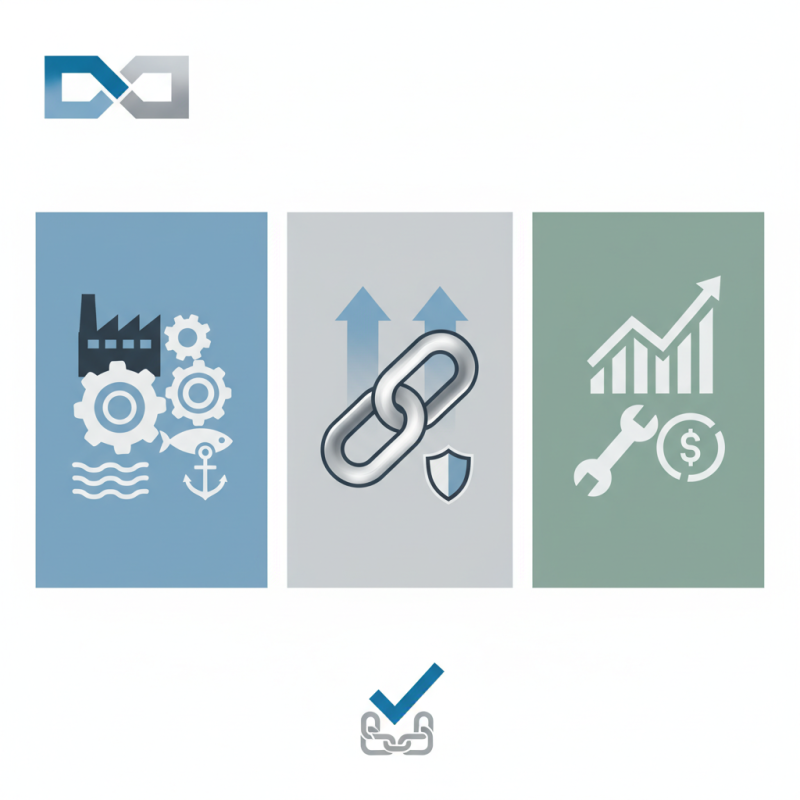
These chains resist corrosion and wear, making them ideal for industries such as food processing and marine applications. Their strength provides the necessary support for heavy loads. However, businesses must consider their specific needs before making a decision. Not every application demands stainless steel. Sometimes, alternative materials might suffice.
Yet, the long-term benefits of investing in stainless steel chains are undeniable. They minimize maintenance costs and enhance operational efficiency. Choosing the right chain is not a trivial matter, and it requires careful consideration. In the end, integrating stainless steel chains can significantly impact your business's success. The choice reflects a commitment to quality and reliability.
Benefits of Using Stainless Steel Chains in Various Industries
Stainless steel chains offer significant advantages across various industries. Their resistance to corrosion makes them ideal for environments exposed to moisture or chemicals. A study from the International Stainless Steel Forum states that stainless steel chains have a service life five times longer than those made from carbon steel in these conditions. This longevity translates into reduced maintenance costs, allowing businesses to allocate resources more effectively.
In the food and beverage industry, the hygienic properties of stainless steel are crucial. The material does not harbor bacteria, ensuring compliance with health regulations. According to a report by the Food Safety and Inspection Service, equipment made from stainless steel is easier to clean and sanitize, leading to fewer health risks. Moreover, in manufacturing, the strength of stainless steel chains supports heavy loads, enhancing operational efficiency.
Despite their many benefits, stainless steel chains can be more expensive upfront compared to other materials. It's essential for businesses to evaluate the cost versus long-term savings. Additionally, while the durability is impressive, over time, chains can show signs of wear that require assessment for safety. Such reflections can guide companies in making informed decisions tailored to their specific operational needs.
Benefits of Using Stainless Steel Chains in Various Industries
Durability and Corrosion Resistance of Stainless Steel Chains
Stainless steel chains are increasingly popular in various industries due to their impressive durability and corrosion resistance. According to a report by the International Journal of Materials Science, stainless steel chains can last up to five times longer than traditional carbon steel chains when exposed to harsh environments. This longevity leads to reduced replacement costs and downtime, making them a smart choice for businesses that prioritize efficiency.
Corrosion resistance is another key advantage of stainless steel chains. They can withstand exposure to moisture, chemicals, and extreme temperatures. A study published by the Materials Research Society found that stainless steel chains have a corrosion rate of less than 0.1 mm per year in saline environments. This level of resistance is invaluable in industries like marine or food processing, where chains face frequent wet conditions. However, businesses should consider the initial investment cost when choosing stainless steel, as it can be higher than other materials.
Despite their numerous benefits, some users find that stainless steel chains may not be entirely maintenance-free. Regular inspections are necessary to ensure optimal performance. Issues such as surface scratches or wear can still lead to reduced efficiency. Users must remain vigilant, balancing initial costs with long-term reliability for the best return on investment.
Cost-Effectiveness of Stainless Steel Chains for Long-Term Use
Stainless steel chains offer a reliable and cost-effective solution for various business needs. Their durability plays a key role in long-term use. Unlike other materials, stainless steel resists rust, corrosion, and wear. This means lower replacement costs over time. Many industries, from manufacturing to agriculture, rely on these chains for their strength.
While the initial investment may seem higher, the longevity of stainless steel chains pays off. These chains can withstand harsh environments. This resilience ensures that businesses do not face constant replacements. A chain that lasts longer helps maintain production efficiency. However, not every stainless steel chain is created equal. It's essential to choose the right grade for specific applications.
Some might find the upfront costs challenging. Yet, consider the potential savings in maintenance and downtime. Investing in stainless steel chains means fewer headaches in the future. Businesses can focus on growth rather than constant repairs. An informed decision can lead to substantial benefits. The durability of stainless steel chains is a reflection of thoughtful investment strategies.
Maintenance Tips for Stainless Steel Chains
Stainless steel chains are popular for many businesses due to their durability and resistance to corrosion. However, maintaining these chains is crucial for optimal performance. Regular cleaning is one of the easiest ways to keep them functional. Use a soft brush and mild detergent to remove dirt and grime build-up. This simple step can greatly extend their lifespan.
Proper lubrication is also essential. Apply lubricant designed for stainless steel chains. It helps reduce friction and prevents wear. Many users overlook this step, leading to premature failure. Inspect the chains regularly for signs of wear or damage. Catching issues early can save time and costs.
Storage plays a vital role too. When not in use, store chains in a dry, clean place. Moisture can lead to rust, even in stainless steel. Ideally, use a ventilated container. Reflecting on maintenance practices may lead to better outcomes. Regular attention prevents larger problems over time.
Why Choose Stainless Steel Chains for Your Business Needs? - Maintenance Tips for Stainless Steel Chains
| Feature | Advantages | Maintenance Tips |
| Corrosion Resistance | Ideal for harsh environments, prolongs lifespan | Regularly clean with mild soap and water |
| Durability | Can withstand heavy loads and stress | Inspect for wear and replace damaged links promptly |
| Low Maintenance | Requires less frequent servicing compared to other materials | Lubricate periodically to reduce friction |
| Versatility | Suitable for a wide range of applications | Store in a dry place to prevent rust |
| Food Safety Compliance | Safe for food processing industries | Use food-grade lubricants for maintenance |
Comparing Stainless Steel Chains to Other Materials in Industrial Applications
Stainless steel chains are becoming increasingly popular in industrial applications, particularly when compared to other materials. In environments exposed to moisture, rust and corrosion are significant concerns. According to a recent industry report, stainless steel chains can reduce maintenance costs by up to 30% due to their enhanced durability. With an average lifespan exceeding 15 years in harsh conditions, they stand out against iron chains, which may corrode within just a few years.
Moreover, when evaluating the strength-to-weight ratio, stainless steel proves superior to plastic alternatives. Research indicates that steel chains can carry loads up to three times heavier than their plastic counterparts without compromising structural integrity. This makes them ideal for heavy-duty applications. However, it’s crucial to consider that while stainless steel offers robust performance, its higher initial cost may deter some businesses. Balancing upfront costs with long-term savings is vital for efficient budgeting.
Furthermore, the environmental impact of using stainless steel chains is worth mentioning. They are recyclable, reducing waste in landfills. However, the production process can be energy-intensive, leading to discussions about sustainability. Consequently, companies need to weigh these environmental considerations against the performance benefits. Ultimately, the choice of material should align with operational requirements and sustainability goals.