How to Choose an Isolation Switch for Your Electrical System?
Choosing the right Isolation Switch for your electrical system is crucial. With the rise in energy demand, safety has become a priority. According to a recent industry report, improper isolation can lead to significant accidents. In fact, about 30% of electrical failures stem from inadequate switching mechanisms. This statistic highlights the importance of selecting an appropriate Isolation Switch.
When selecting an Isolation Switch, consider factors such as voltage ratings, current ratings, and environmental conditions. A quality switch enhances safety and contributes to system efficiency. Reports show that more than 60% of electrical issues can be traced back to poorly chosen components. This reflects a need for thorough research and understanding.
It’s essential to avoid the temptation of opting for the cheapest option. Short-term savings can result in jeopardizing long-term safety. Think about the specific requirements of your electrical system. Reflect on past incidents in your operations. These insights can guide you toward making a more informed decision about your Isolation Switch.
Understanding the Purpose of Isolation Switches in Electrical Systems
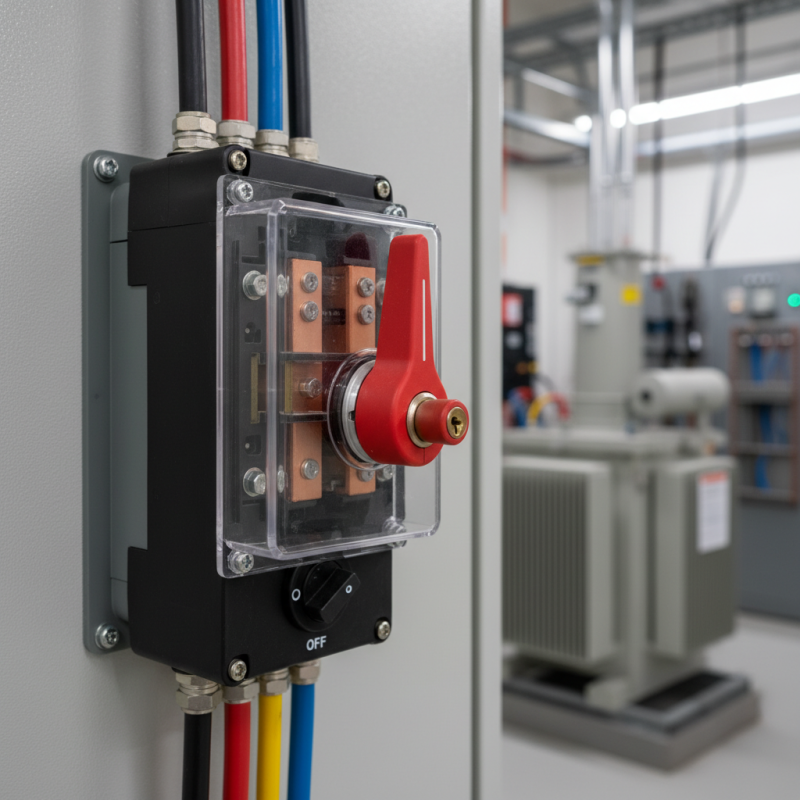
Isolation switches play a crucial role in electrical systems. Their primary purpose is to ensure safety during maintenance and repair. In an industry report by the Electrical Safety Foundation, around 30% of electrical accidents occur during service. Isolation switches can prevent such incidents by disconnecting power effectively.
Understanding the right application of isolation switches is vital. When a switch is improperly chosen, risks escalate. For instance, using a switch that cannot handle the system's amperage can lead to failures. A survey by the Institute of Electrical Engineers showed that improperly rated switches are a leading cause of electrical fires, accounting for about 25% of incidents.
Visualizing the installation point is essential. An isolation switch should be easily accessible. Some systems lack the space for proper installation. Inadequate access can lead to delays in emergency situations. This illustrates a critical need for careful planning and consideration when selecting these switches. Ignoring this can compromise safety and performance.
Factors to Consider When Selecting an Isolation Switch
Choosing the right isolation switch for your electrical system is critical. It's essential to consider various factors to ensure safety and efficiency. First, evaluate the voltage and current ratings. For high-capacity systems, switches with adequate ratings mitigate risks. According to a report by the International Electrotechnical Commission, 80% of electrical failures are linked to improper switch specifications.
Next, think about the installation environment. Humidity, dust, and temperature fluctuations can affect performance. In industrial settings, choosing rugged, weather-resistant switches is vital. The National Electrical Manufacturers Association (NEMA) suggests that 65% of industrial mishaps stem from environmental neglect.
Lastly, assess the ease of operation. Some switches are complex, requiring specialized training. A clear, intuitive design can reduce errors. A survey found that 40% of technicians prefer simplified interfaces. While advanced features add functionality, they may complicate operation. Balancing these aspects is crucial for long-term reliability.
Types of Isolation Switches and Their Applications
When selecting an isolation switch, understanding the types available is crucial. Isolation switches vary in design and purpose. The most common types include knife switches, rotary switches, and membrane switches. Each serves unique applications in electrical systems.
Knife switches are straightforward and often used for high-current applications. They provide a clear visual indication of the switch position.
Rotary switches allow for multiple circuit selections; however, they can be more complex.
Membrane switches are often found in modern appliances, offering a sleek design. They can be less durable, so think carefully about usage.
Tips: Consider the environmental conditions, too. Some switches perform poorly in extreme temperatures. Choose a switch rated for your specific environment. Regular maintenance is essential for performance. A switch failing to disconnect could pose a serious risk.
Assessing the space available is also important. A compact design may seem appealing, but it can lead to overheating if not adequately rated. Don’t overlook this factor. The cost can be tempting, but safety should never be compromised. Reflect on your specific needs and applications before making a final choice.
Safety Standards and Compliance for Isolation Switches
When selecting an isolation switch, it's crucial to consider safety standards and compliance. According to a 2021 report by the International Electrotechnical Commission (IEC), over 30% of electrical accidents stem from improperly installed switches. These incidents highlight the importance of choosing switches that meet established safety regulations. Isolation switches must comply with the IEC 60947 standard, ensuring they can handle electrical loads efficiently under fault conditions.
Many projects overlook the significance of product certifications. In fact, nearly 25% of electrical systems reviewed showed non-compliance with necessary safety standards. This is alarming. Thorough research is necessary. You should verify that the isolation switch has been tested and certified by a recognized authority. Ensuring compliance minimizes risks from electrical failures.
The environment plays a role too. Some switches may not perform well in extreme temperatures or damp conditions. A study indicated that 15% of electrical failures occurred in environments not suited for the switches in use. This data suggests that considering environmental factors is essential when selecting an isolation switch. The right choice enhances safety and efficiency.
Installation and Maintenance Best Practices for Isolation Switches
When it comes to installing isolation switches, certain practices ensure safety and efficiency. Properly locating the switch is crucial. Install it in an accessible area. This allows for quick shutdowns in emergencies. Ensure clear labeling to identify the function of the switch. Misunderstandings can lead to hazardous situations.
Regular maintenance is vital to the function of isolation switches. Inspect the switches regularly for signs of wear. Check for any corrosion or loose connections. These factors can compromise the switch's reliability. Sometimes, wear may not be easily visible. Pay attention to unusual noises during operation. This could indicate deeper issues.
Tips: Always maintain a clean environment around the switch. Dust and debris can affect performance. During maintenance, ensure all power sources are off. This reduces the risk of electric shocks. Document all inspections and repairs for future reference. It's an easy way to track the switch's history. Regular checks enhance the lifespan and safety of your electrical system.