2026 How to Choose the Best Electric Forklift Battery Options?
Selecting the right Electric Forklift Battery is crucial for ensuring optimal performance and efficiency. Many factors come into play when making this choice. The type of battery impacts not only the forklift’s functionality but also its lifecycle and cost-effectiveness. It's essential to have a clear understanding of your specific operational needs.
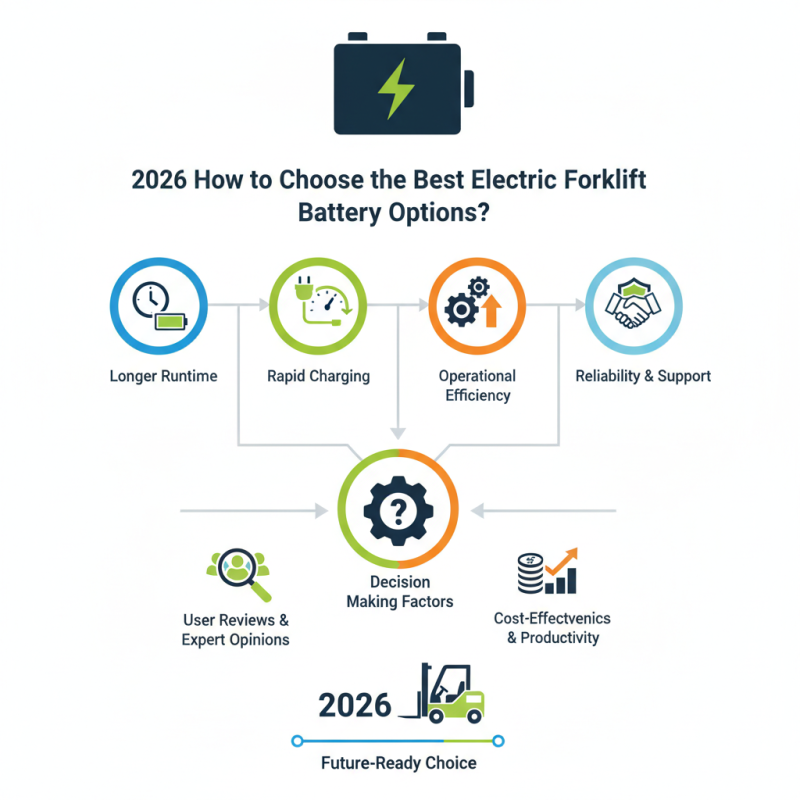
Different environments and usage patterns require different battery types. Some businesses may prioritize longer runtime, while others might focus on rapid charging capabilities. Knowing these details can help zero in on the best options available. However, the vast variety of choices can be overwhelming, leading to uncertainty in decision-making.
Additionally, different manufacturers offer varying warranties and support services. How do you evaluate reliability and authority in this space? Evaluating user reviews and expert opinions can help clarify the best Electric Forklift Battery choices. This process may require careful consideration and reflection. After all, the right battery can significantly impact productivity and operational costs in the long run.
Understanding Electric Forklift Battery Types: Lead-Acid vs. Lithium-Ion
When selecting electric forklift batteries, understanding the differences between lead-acid and lithium-ion options is crucial. Lead-acid batteries have been a standard for decades, valued for their reliability and lower upfront costs. These batteries typically last around 1,500 charge cycles, making them suitable for many industries. However, they require regular maintenance, including water replacement and equalization charges. This maintenance can add costs and time to operations.
On the other hand, lithium-ion batteries are gaining popularity. They offer a longer lifespan, often exceeding 3,000 cycles. This means less frequent replacement, leading to lower long-term costs. Lithium-ion batteries also charge faster and have a higher energy density. According to a report from the Battery Storage Consortium, these batteries can save up to 30% in energy costs over their lifespan. However, they do come with a higher initial investment, which can be a barrier for small businesses.
While lithium-ion may seem the superior choice, considerations like charging infrastructure availability and upfront budget must be evaluated. Each option has its pros and cons. Businesses must analyze their specific operational needs and financial situations before making a decision. This process can be complex, but it is essential for optimizing forklift efficiency.
Battery Capacity and Runtime: Key Metrics for Electric Forklift Performance
When selecting an electric forklift, battery capacity and runtime stand out as crucial metrics. Battery capacity, measured in amp-hours (Ah), determines how long the forklift can operate before needing a recharge. A typical electric forklift battery may range from 500 to 800 Ah, providing 4 to 8 hours of runtime in various working conditions. According to recent industry reports, optimal capacity is essential for maximizing productivity, particularly in high-demand applications.
Runtime directly affects operational efficiency. A forklift’s performance peaks when its battery can power the unit through entire shifts without interruption. Factors such as load weight and type of terrain can impact runtime. A study by the Material Handling Industry (MHI) indicates that uneven surfaces and heavy loads can reduce battery performance by up to 30%. Operators need to assess their specific requirements to make informed choices.
**Tips:**
Consider potential downtime and be realistic about your power needs. Evaluate your daily operations to find the best fit. Don't hesitate to account for battery lifespan, which typically lasts 5 to 7 years. Regular maintenance is crucial in prolonging performance and combating wear over time.
Battery Capacity and Runtime: Key Metrics for Electric Forklift Performance
Charging Solutions and Technology: Enhancing Electric Forklift Efficiency
Charging solutions and advanced technology play a crucial role in enhancing electric forklift efficiency. The right battery charging system can significantly improve the performance and lifespan of your forklift's battery. Consider options like fast chargers, which can reduce downtime. Integrated charging features are also beneficial. These enable real-time monitoring of the battery's health and charging status. Proper maintenance ensures optimal functionality.
Tips: Regularly check the charging connections and clean them. A clean connection improves efficiency.
Battery technology continues to evolve. Lithium-ion batteries, for instance, demand less maintenance and provide longer runtimes. However, they may require specific charging equipment. Understanding these needs is vital for effective operation.
Tips: Always follow manufacturer guidelines for charging practices. This can prevent unexpected failures.
Balancing between performance and cost is essential. You may find yourself reflecting on your specific needs. Choosing the right system may feel overwhelming at times. Focus on what suits your operational requirements best. Prioritize reliability and ease of use for your workforce.
Cost Considerations: Evaluating Lifespan and Maintenance of Battery Options
When evaluating electric forklift battery options, cost considerations play a crucial role. The lifespan of a battery directly impacts your long-term investment. According to industry reports, lead-acid batteries typically last around 1,500 charge cycles. In contrast, lithium-ion batteries can last up to 3,000 cycles. This significant difference translates into lower replacement costs for lithium-ion options, making them a more economical choice over time.
Maintenance is another critical factor. Lead-acid batteries require regular watering and equalization charging, increasing labor costs. In contrast, lithium-ion batteries often come with minimal maintenance requirements. This feature can save companies time and resources, as reported by the Forklift Battery Association. They estimate that companies could reduce maintenance costs by as much as 30% with lithium-ion solutions. However, upfront costs for lithium-ion batteries are higher. Careful analysis of operational needs and budget constraints is essential to determine the best fit for your operation.
The decision to invest in a specific battery type involves weighing the benefits against initial costs. Companies should consider how usage patterns influence battery wear over time. Additionally, the difference in maintenance demands can greatly impact workforce productivity. Ultimately, constant reevaluation of your battery option's performance and compatibility with operational needs is vital for maximizing efficiency and lowering costs.
Environmental Impact: Sustainability of Electric Forklift Batteries in 2026
Electric forklift batteries are crucial for sustainability in 2026. Their production and disposal impact the environment significantly. A main concern is the sourcing of raw materials. Lithium and cobalt extraction can lead to habitat destruction. This creates a need for responsible sourcing practices.
Recycling options are gaining attention. Many batteries are designed for reusability and recycling. Programs are emerging to reclaim materials from old batteries. However, the effectiveness of these initiatives varies. Some recycling processes are not yet efficient enough.
Considering the full lifecycle of a battery is vital. From production to disposal, each step has environmental consequences. Companies should evaluate the sustainability of their battery choices. This includes emissions during manufacturing and impacts post-use. Exploring alternative technologies may also offer improvements.