How to Choose Hi Vis Safety Jackets for Global Buyers?
Choosing Hi-Vis Safety Jackets for global workforces is not simply a color decision. It is a risk-control decision shaped by traffic speed, weather, lighting, work movement, and local expectations. A road crew beside a wet motorway needs different protection from warehouse staff under bright indoor lamps. The difference may look small. It is not.
Dr. David Michaels, former Assistant Secretary of Labor for OSHA, has stated, “Workers have a right to a safe and healthful workplace.” That principle should guide every purchasing conversation. Global buyers need to examine visibility classes, reflective tape placement, fabric weight, breathability, seam quality, and closure strength. They should also confirm relevant regional standards before ordering. A jacket that performs well in a dry European autumn may feel unbearable in tropical humidity. Comfort affects wearing compliance, and compliance affects real-world protection.
Good sourcing also requires evidence, not attractive product photographs. Ask for test reports, material specifications, wash-cycle results, size charts, and traceable quality records. Check whether reflective bands remain visible after repeated cleaning. Test sleeves with gloves. Try the jacket while climbing, bending, or operating equipment. Small details matter.
There is room for doubt. No garment removes every workplace hazard. Hi-Vis Safety Jackets can improve recognition, but they cannot replace traffic controls, lighting, training, or disciplined supervision. Buyers sometimes choose the lowest price and discover hidden costs later. A stronger approach compares lifecycle value, worker feedback, climate suitability, and supplier reliability. The best jacket is not merely bright. It remains visible, wearable, and dependable when the shift becomes difficult.
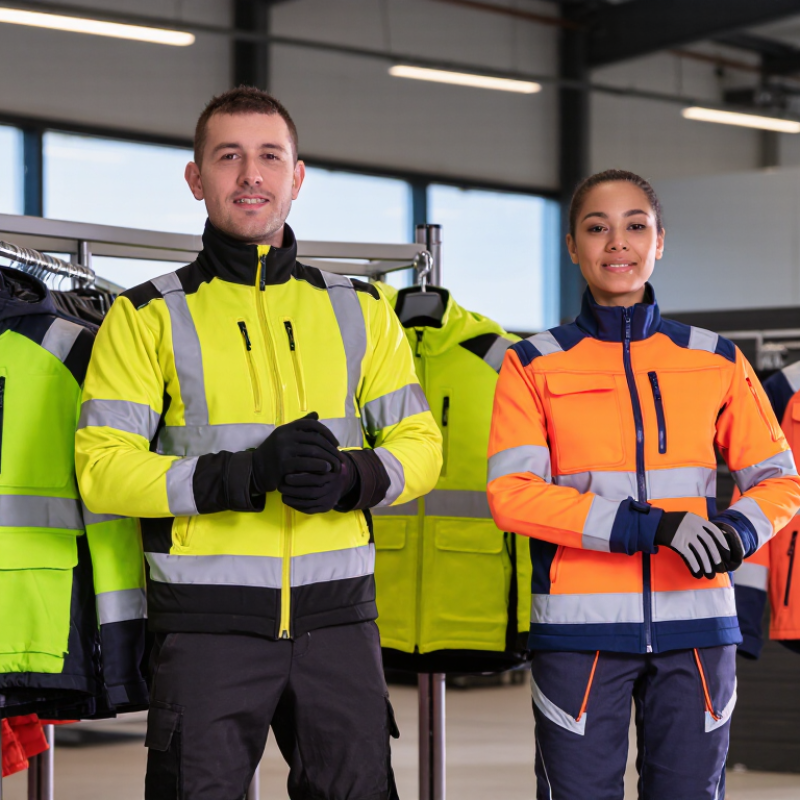
Define Visibility Risks with ANSI/ISEA 107-2020 and EN ISO 20471
Global buyers should define the visibility risk before selecting a hi-vis safety jacket. The U.S. Bureau of Labor Statistics reported 1,942 fatal occupational injuries from transportation incidents in 2023. Poor visibility is not the only cause, but it can increase exposure around moving vehicles, loading bays, and roadside work. That distinction matters.
ANSI/ISEA 107-2020 classifies garments by risk, design, and required visibility materials. Class 1 suits low-speed environments with separated traffic. Class 2 supports workers near vehicles or in moderate weather. Class 3 provides the greatest body coverage for complex traffic zones, night work, or poor visibility. EN ISO 20471 uses performance Classes 1, 2, and 3, based on fluorescent background material and retroreflective material. Do not treat the numbering as identical across standards. A Class 2 garment under one system may not equal Class 2 under another.
Experienced buyers should inspect the certificate, garment markings, reflective band layout, and test scope. Check whether the jacket remains visible over workwear, especially around the torso and shoulders. Rain, dust, laundering, and dark backgrounds can reduce practical contrast. The European Committee for Standardization stresses controlled material performance, yet field conditions remain less predictable. That gap deserves attention. A jacket may pass laboratory testing but still feel inadequate beside headlights, forklifts, or wet asphalt. Select the applicable standard, then verify the actual jobsite risk, climate, washing process, and replacement schedule.
Select Jacket Classes Using ISO 20471’s 0.50–0.80 m² Visibility Areas
Global buyers should start with the required visibility class, not the jacket’s color or price.
ISO 20471 defines minimum visible areas for high-visibility garments. Class 2 requires at least 0.50 m² of fluorescent background material and 0.13 m² of retroreflective material. Class 3 increases these areas to 0.80 m² and 0.20 m². These figures affect the jacket’s cut, panel layout, sleeve design, and usable size range.
A bright jacket can still disappoint. Check the certification label, technical file, and declared garment class before ordering. Ask whether the stated class applies to the jacket alone or to a complete clothing combination. This distinction matters when workers wear thick winter layers, harnesses, or tool belts. In field inspections, covered reflective bands often reduce practical visibility, even when the original sample passed testing.
One practical lesson is easy to miss.
Measure the finished garment.
Class 2 may suit warehouses, delivery routes, and moderate-risk work areas with controlled vehicle movement. Class 3 is more suitable for roadside work, airports, mines, and poor-light environments. Local risk assessments should guide the final choice.
Buyers should also review shrinkage, colorfastness, seam strength, and reflective performance after washing. A larger fluorescent area is not automatically better if movement becomes restricted. Weaker comfort can lead to poor compliance. I would also question samples that look excellent under showroom lighting but lack clear wash-care evidence or independent test documentation.
Match Reflective Tape and Fluorescent Colors to Worker Exposure Levels
How to Choose Hi Vis Safety Jackets for Global Buyers?
Worker exposure should guide every color and tape decision. The International Labour Organization estimated 2.93 million work-related deaths and 395 million non-fatal injuries globally in 2019. Visibility cannot prevent every incident, but it can improve recognition in critical seconds.
Match fluorescent fabric to the background. Yellow-green works well against dark machinery, asphalt, and vegetation. Fluorescent orange may stand out better near yellow equipment or dusty construction zones. Check the lighting first. A jacket that looks vivid indoors may fade against bright daylight, fog, or warning signs.
Reflective tape serves a different purpose. It returns light toward drivers at night, especially around the torso, shoulders, and arms. For road crews, choose designs with continuous body bands and clear vertical identification. For warehouse workers, narrower layouts may be practical, but moving forklifts still demand strong contrast. Tiny details matter.
Exposure level changes the specification. Low-risk private sites may need basic visibility. Roadside workers facing fast traffic need higher-visibility garments, selected under the applicable standard, such as EN ISO 20471 or ANSI/ISEA 107. These standards classify background and retroreflective materials differently, so buyers should not compare labels casually.
Ask for certified test reports, colorfastness results, and after-wash visibility data. The fabric may pass new. It may fail after months. That uncomfortable question deserves attention. Also review local climate, because sweat, rain, and heat affect wear time and compliance. A perfect jacket left unzipped is not a perfect control.
Assess Weather Protection Through EN 343 Classes 1–4 and Breathability
Global buyers should read EN 343 ratings as two separate performance measures. The first number shows resistance to water penetration. Class 1 offers basic protection, while Class 4 provides the highest tested resistance. The second number measures breathability. Class 4 breathability is strongest, with lower water-vapour resistance during testing. This can reduce the clammy feeling caused by sweat.
Ratings are useful, but they do not tell the whole story. A Class 4 jacket still needs sealed seams, a protective hood, adjustable cuffs, and a reliable front closure. Check these details closely. A poorly designed collar can let rain enter during driving or lifting work. EN 343 also does not measure warmth, flexibility, or long-term comfort. For cold regions, buyers may need room for insulating layers.
In my experience, workers often remove highly waterproof jackets when breathability feels inadequate. That defeats the original protection. Select the rating according to actual exposure, not only the highest number. A coastal worker facing heavy rain may need strong water resistance and Class 3 or 4 breathability. A warehouse worker may value ventilation more. Test samples with realistic layers and movement. I have seen sizing affect comfort more than expected. That detail is easy to underestimate. Wash care matters too, because dirt, abrasion, and incorrect cleaning can reduce performance over time.