How to Choose the Right Liquid Aerosol Generator for Your Needs?
Choosing the right Liquid Aerosol Generator is essential for various needs. Whether you aim to enhance air quality or conduct scientific research, the generator's specifications matter. With so many options available, it can be overwhelming to know where to start.
Understanding your specific requirements is crucial. Different applications demand different features. For instance, consider the generator's output capacity, particle size, and operational ease. These factors play a significant role in determining effectiveness and user experience.
Mistakes can occur when overlooking critical details. Users may focus solely on price or brand reputation. However, those aspects do not always guarantee quality. Take time to assess user reviews and professional recommendations. This practice can help ensure your investment meets your expectations. A well-chosen Liquid Aerosol Generator can lead to better results, whether for personal or professional use.
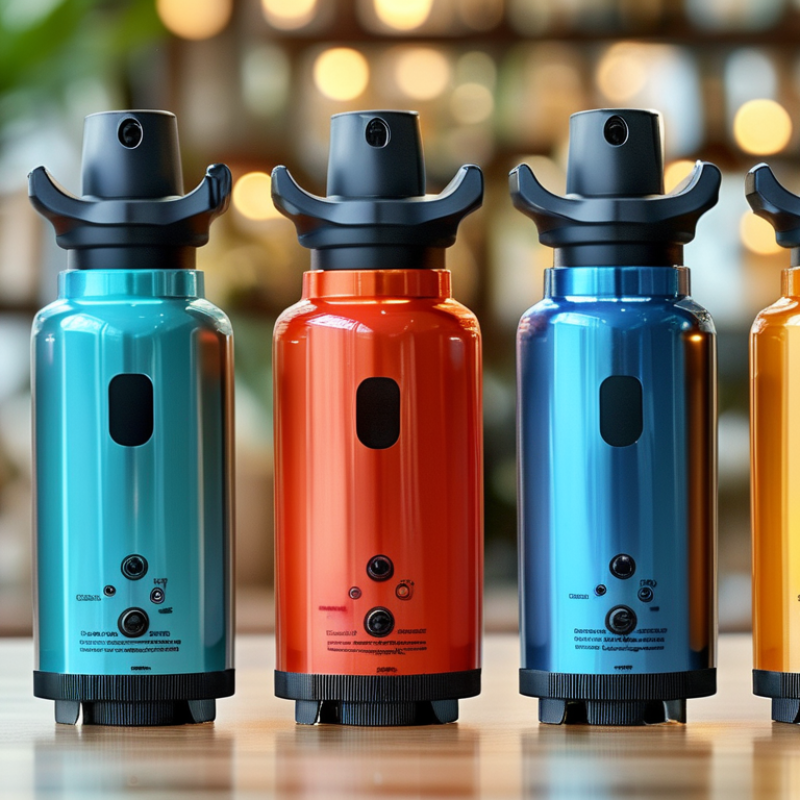
Understanding Liquid Aerosol Generators: Definition and Applications
Liquid aerosol generators are critical in various industries, including healthcare, pharmaceuticals, and environmental testing. These devices create fine droplets from liquids, enabling applications such as drug delivery in respiratory treatments. According to a report by the International Journal of Pharmaceutics, optimal droplet size is crucial for effective inhalation therapy. The ideal size is typically between 1 to 5 micrometers.
Their applications extend beyond healthcare. In agriculture, liquid aerosol generators help with the efficient use of pesticides and nutrients. A study from the Journal of Agricultural Engineering Research highlights that aerosol spraying can reduce pesticide usage by up to 30%, minimizing environmental impact. These machines also find roles in research and development settings, where controlled aerosol environments are necessary for experiments.
Choosing the right generator involves understanding your specific needs. Factors such as droplet size, flow rate, and liquid viscosity must align with intended applications. Unfortunately, not all manufacturers provide clear data on these specifications. Users must often seek third-party reviews or scientific articles to ensure reliability. The selection process can be daunting, with failures in matching technology to needs leading to inefficiencies. It's essential to conduct thorough research and consider consulting experts in the field.
Key Factors to Consider When Selecting a Liquid Aerosol Generator
Selecting the right liquid aerosol generator is crucial for various applications, from industrial uses to laboratory settings. Understanding your specific needs plays a key role in making an informed choice. Consider factors such as droplet size, output rate, and the substances being aerosolized. According to recent industry reports, the optimal droplet size for respiratory therapies ranges from 1 to 5 microns. Smaller droplets improve penetration into the respiratory tract, while larger droplets may settle prematurely.
When choosing a generator, always evaluate its compatibility with the liquid formulation. Not all generators can handle all liquids. Factors like viscosity and volatility greatly impact the efficiency of atomization. Inconsistent performance can lead to wasted materials and ineffective delivery. A 2022 study indicated that over 30% of users faced issues due to improper equipment selection, highlighting the importance of knowing your liquid's properties.
Tips: Always consult technical specifications. Look for user reviews focusing on effectiveness and reliability. Comparing models can reveal hidden advantages or disadvantages that reports may overlook. Stay informed about advancements in aerosol technology, as innovations regularly enhance performance. Keeping these factors in mind can direct you to the most effective solution for your aerosol generation needs.
Comparative Analysis of Different Technologies in Aerosol Generation
When selecting a liquid aerosol generator, understanding the different technologies available is crucial. Recent reports indicate that ultrasonic and pneumatic misting systems are among the most prevalent methods. Ultrasonic generators operate at high frequencies, producing finer aerosol particles. This technology is efficient for applications requiring precise control over droplet size, typically achieving diameters between 1-10 micrometers.
Conversely, pneumatic generators use compressed air to atomize liquids, often producing larger particles. A study from the Aerosol Science and Technology Journal observed that pneumatic systems can reach up to 50 micrometers in diameter. While suitable for larger-scale applications, they may not be ideal for scenarios requiring a higher aerosol quality.
The ideal choice often depends on specific needs. For example, healthcare settings may require smaller particles for effective drug delivery. In contrast, industrial applications might prioritize volume and robustness. Thus, evaluating these factors ensures that the selected aerosol generator aligns with intended use and operational requirements. A thorough comparison of these technologies provides insight into efficiency and effectiveness, underlining the importance of informed decision-making.
Industry Standards and Regulations Impacting Liquid Aerosol Generators
When selecting a liquid aerosol generator, it’s crucial to understand industry standards and regulations. These guidelines shape how products are developed and marketed. They ensure safety and efficacy in aerosol applications. Compliance with standards can also enhance product reliability.
Regulatory bodies dictate acceptable levels of emissions and performance metrics. For instance, environmental regulations often limit the concentration of certain substances in aerosols. It’s essential to verify that a generator meets these criteria. This not only fosters safety but also minimizes environmental impact.
Choosing the right generator means being aware of these requirements. Understanding these standards enables informed decision-making. Look for technical specifications that align with safety and environmental guidelines. It may seem overwhelming at first. However, having this knowledge can ultimately lead to better choices for specific needs. Always reflect on how these regulations apply to your selections. This awareness is a critical factor in successful aerosol applications.
Cost-Benefit Analysis of Various Liquid Aerosol Generators in Use
Selecting the right liquid aerosol generator involves understanding its cost-effectiveness. Different models vary in price and functionality. Some offer advanced features but come with a higher initial cost. Others provide basic functions at a lower price. Users must analyze their specific needs to determine which model offers the best return on investment.
Consider maintenance costs. Higher-end models might require more frequent upkeep. This can add to the overall expense over time. In contrast, simpler machines may need less maintenance, leading to savings. Evaluate the total cost of ownership, not just the purchase price.
Think about efficiency. Some models produce aerosols more quickly and with less waste. This can enhance productivity. However, faster machines may come at a premium. Users need to weigh speed against cost. Ultimately, the goal is to find the right balance that meets your unique needs.