How to Choose the Best Electrical Switchgear Box from China?
Choosing the best Electrical Switchgear Box from China requires more than comparing prices. The enclosure may look polished, yet hidden weaknesses can appear inside terminals, busbars, insulation, or cable entries. A reliable decision starts with the electrical load, short-circuit level, voltage class, installation environment, and future expansion plans.
John D. McDonald, a recognized power-system engineering specialist, states, “Reliability is designed in, not tested in.” This principle matters when reviewing Chinese manufacturers. Ask for complete drawings, material specifications, routine-test records, and evidence of production traceability. Check whether the supplier understands IEC 62271, IEC 61439, or relevant GB/T requirements for your application. Certification alone is not enough. The test scope must match the actual Electrical Switchgear Box.
Look closely at practical details. Are copper bars plated correctly? Are door hinges rigid? Does the gasket remain flexible after heat exposure? Can technicians reach terminals without unsafe movement? Factory photographs help, but an independent inspection provides stronger evidence. Request a sample, inspect welds, and compare the delivered unit with the approved drawing.
A low quotation can be attractive. It can also hide thinner steel, weaker breakers, or incomplete testing. I have seen buyers focus on appearance and regret ignoring temperature-rise data. No checklist is flawless. Even experienced purchasers can miss a small terminal defect. Therefore, select a supplier that communicates clearly, documents changes, and accepts reasonable third-party verification. The best choice is not always the cheapest box. It is the one that performs consistently, remains serviceable, and fits the real operating conditions.
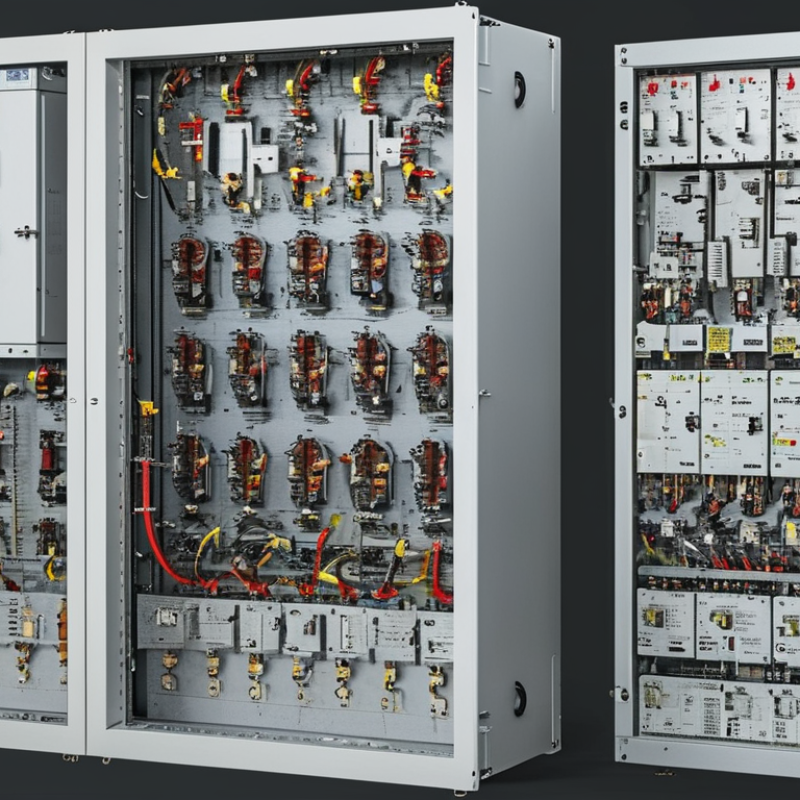
Define Switchgear Boxes Through IEC 61439 and China’s GB/T Standards
How to Choose the Best Electrical Switchgear Box from China?
IEC 61439 defines low-voltage switchgear assemblies through design verification and routine verification. It examines temperature rise, short-circuit withstand, insulation, clearances, and mechanical protection. China’s GB/T 7251 series provides the national framework for comparable low-voltage assemblies. GB/T 7251.1 covers general rules, while related parts address power assemblies and specific applications. In practice, buyers should request the exact GB/T edition used. Standards can change, and old test evidence may not remain sufficient.
MarketsandMarkets’ 2024 Switchgear Market report estimates the global market at about USD 103 billion in 2024. It forecasts approximately USD 137 billion by 2029, showing continued infrastructure demand. That growth increases the need for traceable engineering, not simply lower prices. A reliable Chinese supplier should provide design verification records, routine test reports, drawings, material data, and enclosure IP evidence. Check busbar spacing, cable entry, copper plating, heat paths, and door bonding. Small details matter.
Tips: Compare the IEC 61439 test configuration with the proposed box. Confirm rated current, prospective short-circuit current, ambient temperature, and installation altitude. Ask whether the delivered assembly matches the tested design. It sounds obvious, but deviations happen. I would also inspect one finished sample personally when possible; documents alone can hide practical weaknesses.
Match Rated Voltage, Current, and 50–65 kA Short-Circuit Withstand
How to Choose the Best Electrical Switchgear Box from China?
Choosing a switchgear box starts with the system’s real operating conditions. Match the rated voltage to the network, not only the equipment label. A box rated too low may fail during insulation stress. Check the rated current against continuous load, starting current, and future expansion. I have seen projects select current values too tightly. Heat then accumulates around busbars and cable terminals. Allow practical margin, but avoid excessive oversizing and unnecessary cost.
Tips: Request routine test records, temperature-rise data, insulation ratings, and enclosure protection details. Confirm whether the 50–65 kA short-circuit withstand value is tested or merely stated. Ask for the test duration, usually one or three seconds. This detail matters.
Short-circuit withstand must match the installation’s prospective fault current. A 50 kA box may be unsuitable where calculations show 65 kA. Review the protection coordination study with a qualified engineer. Inspect busbar supports, earthing points, clearances, and door interlocks. Chinese manufacturers can provide reliable equipment, but documentation quality varies. I would verify drawings line by line before production. Site conditions also matter, including dust, humidity, altitude, and indoor temperature. One overlooked detail can weaken an otherwise sound specification.
Select IP54–IP66 Enclosures According to IEC 60529 Protection Ratings
When choosing a switchgear box from China, treat the IP rating as a design requirement, not a sales label. IEC 60529 separates ingress protection into two digits. The first measures solids; the second measures water. IP54 protects against limited dust ingress and splashing water. It is not dust-tight. IP65 is dust-tight and resists water jets. IP66 adds stronger jet protection, but it does not mean submersion protection. Check the exact test report, not only the printed marking.
Site conditions should decide the rating. Use IP54 in a clean, covered electrical room with controlled moisture. Choose IP65 for outdoor cabinets, workshops, and dusty processing areas. IP66 suits exposed locations with washdown or driving rain. Yet cable glands, hinges, locks, and door seals can reduce real protection. A poorly compressed gasket defeats a good enclosure. Small detail, major risk.
The IEA Electricity 2025 report states that global electricity demand grew 4.3% in 2024 and expects about 4% annual growth through 2027. More installations increase the cost of moisture and dust failures. Ask Chinese suppliers for IEC 60529 test evidence, material thickness, corrosion treatment, gasket specifications, and sample photographs. Verify dimensions after assembly. Test a production sample if the project is critical. I have seen quotations compare IP66 boxes as if they were equal; they were not. Steel grade, drainage, thermal design, and workmanship changed the outcome. Certification alone is not enough.
How to Choose the Best Electrical Switchgear Box from China?
Select IP54–IP66 enclosures according to IEC 60529 protection ratings.
Under IEC 60529, the first digit indicates protection against solid objects and dust, while the second digit indicates protection against water. IP5X provides dust protection with limited ingress permitted, IP6X is dust-tight, IPX4 protects against water splashes, IPX5 against water jets, and IPX6 against powerful water jets. The rating digits are protection categories, not direct performance scores.
Evaluate Materials, Busbars, Temperature Rise, and 630–4000 A Capacity
When selecting an electrical switchgear box from China, inspect the materials before comparing prices. A robust enclosure usually uses coated steel or stainless steel, depending on corrosion exposure. Check sheet thickness, weld quality, door alignment, gasket compression, and the quality of the grounding connection. A box can look impressive while hiding weak hinges or poor cable entry seals.
Busbars require closer attention. Copper offers strong conductivity, while aluminum can reduce weight and cost. Ask for the conductor grade, plating method, joint design, and insulation clearance. For ratings from 630 to 4000 A, verify the short-circuit withstand rating and connection torque requirements. Do not accept a general current label without test evidence. I have seen small details matter, especially loose supports near high-current joints.
Temperature rise deserves practical testing, not just a spreadsheet. Request verification against IEC 61439 requirements, including temperature-rise records at the intended current. Review ventilation, spacing, ambient temperature, and enclosure protection together. A 630 A box may perform well in a cool workshop but struggle inside a crowded plant room. At 4000 A, heat from busbar joints becomes critical. Use thermal imaging during inspection. It reveals problems early. One uncomfortable lesson remains: supplier documents can be complete yet incomplete in practice. Require drawings, material certificates, routine test reports, and clear correction procedures before approval.