10 Essential Tips for Choosing 310 Stainless Steel Pipe?
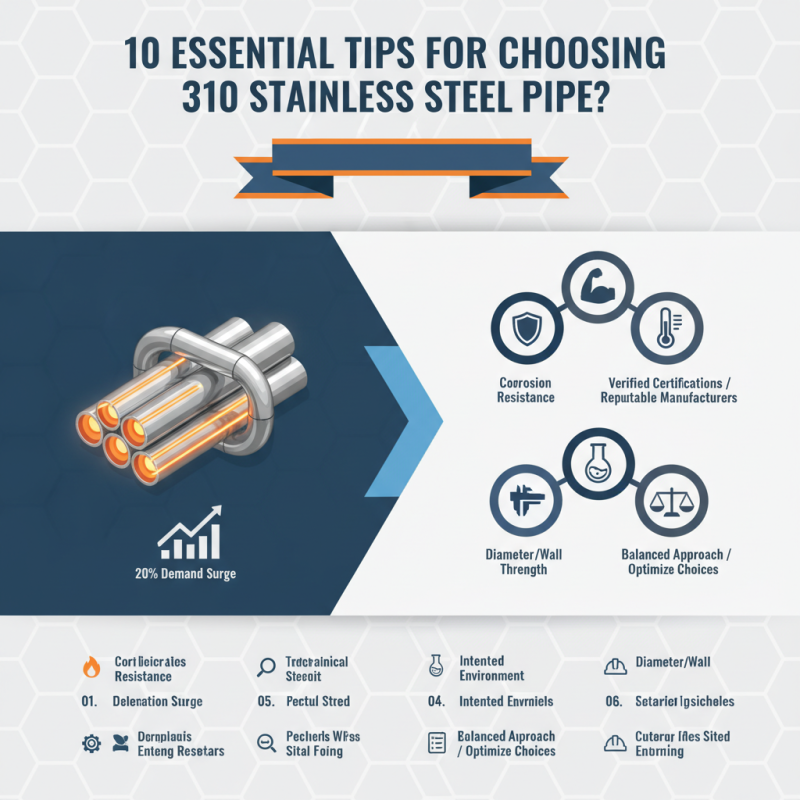
When selecting a 310 Stainless Steel Pipe, several factors warrant careful consideration. The 310 stainless steel alloy, known for its excellent temperature resistance, is widely utilized in high-heat applications. According to industry reports, the demand for such high-performance materials has surged by over 20% in recent years, underscoring their critical role in sectors like aerospace and chemical processing.
Choosing the right 310 Stainless Steel Pipe involves evaluating specific attributes. Properties such as corrosion resistance, mechanical strength, and thermal conductivity are pivotal. However, not all suppliers adhere to stringent quality standards. A report from the International Stainless Steel Forum indicated that subpar materials can lead to costly failures and maintenance issues. This highlights the importance of sourcing from reputable manufacturers with verified certifications.
Moreover, understanding the specific requirements of your application is vital. The diameter, wall thickness, and intended environment greatly influence your selection. While many companies offer a variety of options, it is crucial to reflect on what metrics truly matter. Thicker pipes may enhance durability but can add unnecessary weight. A balanced approach can help optimize choices without compromising quality.
Understanding 310 Stainless Steel: Properties and Uses
310 stainless steel is known for its excellent heat resistance and durability. This grade contains chromium and nickel, which enhance its resistance to oxidation. It is often used in high-temperature applications, such as furnace components and heat exchangers. Its ability to maintain strength at elevated temperatures makes it a reliable choice for various industrial needs.
Applications of 310 stainless steel pipe extend beyond heat resistance. This material is also known for its resistance to corrosion. It performs well in acidic and chloride environments. However, it’s important to note that it is not completely immune to corrosion. Regular inspections are necessary to identify potential issues early. The unique properties of 310 stainless steel make it suitable for a variety of industries. Users should assess specific requirements before making a selection, ensuring the right fit for their projects. Emphasizing reliability while remaining vigilant about potential weaknesses is essential.
Key Factors to Consider When Selecting 310 Stainless Steel Pipes
Choosing the right 310 stainless steel pipe is crucial for various industrial applications. Several key factors influence this decision. Start by considering corrosion resistance, as 310 stainless steel excels in high-temperature environments. Its chromium and nickel content helps resist oxidation. According to industry reports, structures using 310 pipes demonstrate 50% longer lifespans in harsh conditions compared to lower-grade materials.
The pipe's diameter and wall thickness also play a critical role. These dimensions affect flow rates and pressure tolerance. Pipes with the wrong specifications can lead to inefficiencies. Experts recommend selecting based on existing system requirements to avoid compatibility issues.
It's important to evaluate manufacturing standards as well. Look for pipes that meet ASTM A312 specifications. This ensures the product can handle stress and withstand thermal cycling. Regular inspections and testing can catch discrepancies early. Remember, the integrity of your systems depends on quality pipes. Don't overlook details like certification and traceability, as these ensure reliability and safety in long-term operations.
Comparing Different Grades of Stainless Steel for Your Needs
When selecting the right stainless steel pipe, understanding the different grades is crucial. Stainless steel comes in various grades, each offering unique properties. For example, 310 stainless steel is known for its high-temperature resistance. It can withstand extreme conditions without losing structural integrity. This makes it ideal for industries like aerospace and chemical processing.
Another important grade is 304 stainless steel, favored for its corrosion resistance and versatility. It’s commonly used in kitchen applications and plumbing systems. However, it may not perform as well in high-temperature environments as 310. Choosing the right grade often requires a balance of qualities. If you prioritize heat resistance, 310 is a strong contender. If cost and availability matter more, 304 may be sufficient.
It’s essential to assess your specific needs. Think about the environment where the pipe will be used. Consider the temperature, pressure, and possible exposure to chemicals. Sometimes, compromise is necessary. An overly specialized choice might lead to difficulties in sourcing replacements or increased costs. Understanding these factors can lead to a more informed decision, ensuring your project’s success in the long run.
Comparison of Stainless Steel Grades for Pipe Applications
This chart compares the corrosion resistance of various stainless steel grades commonly used for piping applications. Grade 310 offers superior corrosion resistance, making it suitable for high-temperature environments.
Assessing the Cost and Availability of 310 Stainless Steel Pipe
When assessing the cost and availability of 310 stainless steel pipe, several factors come into play. The global market for stainless steel, particularly 310 grade, has seen fluctuations. According to the World Steel Association, global stainless steel production reached about 50 million metric tons in 2022. Factors affecting prices include raw material costs, energy prices, and demand. For instance, nickel prices, a significant component in stainless steel, can impact production costs directly.
Availability varies by region and supplier. In some areas, sourcing 310 stainless steel pipe may take longer due to supply chain disruptions. Recent reports indicate that lead times can extend beyond 12 weeks in certain markets. This potential delay can inconvenience projects needing timely delivery. It's essential to check with multiple suppliers for consistent availability and to compare pricing tiers.
Consider the implications of market volatility on your project budget. If a project requires significant quantities of 310 stainless steel pipe, locking in quotes early is wise. Since costs may rise, this can lead to unplanned expenditures. Being proactive can mitigate risks related to availability and ensure you have the required materials when needed.
Recommended Suppliers and Manufacturers for Quality 310 Stainless Steel
When selecting a supplier for 310 stainless steel pipe, quality is paramount. Look for manufacturers with a proven track record in the industry. This ensures you receive a product that meets the necessary specifications. Trusted suppliers use high-grade materials. They focus on durability and resistance to corrosion. This is especially important in high-temperature applications.
Reviewing certifications can also guide your choice. Look for suppliers who adhere to international standards. This reflects their commitment to quality. Additionally, consider their manufacturing processes. A transparent approach often indicates reliability. You might also want to check customer feedback and testimonials. Engaging with existing clients can provide insights into the supplier's performance.
Not every manufacturer is ideal. Some may promise high quality but deliver subpar products. Keeping an eye on industry trends can also help. Suppliers who innovate tend to prioritize quality. Regularly assess your suppliers to ensure they continue to meet your standards. Each choice you make impacts your project. It's crucial to take this seriously.