What is a High Speed Inspection Machine and How Does it Work?
In the modern manufacturing landscape, a High Speed Inspection Machine plays a crucial role in ensuring product quality. According to recent industry reports, defects in manufactured goods can lead to significant financial losses, often exceeding millions of dollars. This highlights the value of efficient inspection technologies in production lines.
High Speed Inspection Machines are designed to identify defects quickly and accurately. These systems can perform real-time analysis, catching flaws that human inspectors might miss. In industries like pharmaceuticals and electronics, precision is paramount. A single overlooked defect can result in safety hazards or product recalls. However, reliance on automated machines raises questions about the completeness of inspection processes.
Moreover, while these machines increase efficiency, they are not foolproof. There are still instances where false positives or negatives occur, necessitating a balance between automation and human oversight. Continuous improvement in machine learning algorithms is essential for enhancing the accuracy of High Speed Inspection Machines. As the technology evolves, it will be vital for manufacturers to reassess the efficacy of these systems regularly.
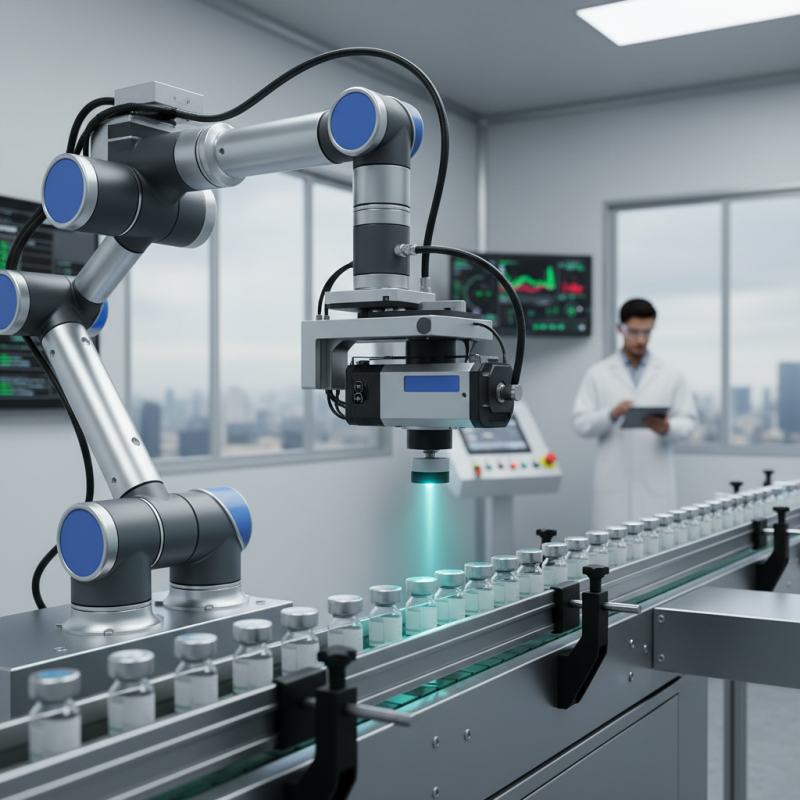
What is a High Speed Inspection Machine?
A high-speed inspection machine is a crucial tool for quality control in manufacturing. These machines quickly examine products to ensure they meet specific standards. They use advanced technology, like cameras and sensors, to capture detailed images of items on production lines. This enables rapid identification of defects.
The process works by inspecting products at high velocities. High-speed conveyors transport items through the system. As they pass, cameras take images and sensors analyze dimensions. The machine processes this data almost instantly. Operators can adjust parameters in real time, enhancing accuracy. However, one challenge is ensuring the calibration is perfect. An uncalibrated machine may miss defects or generate false alarms.
This technology has many benefits, but it is not without flaws. It might struggle with complex shapes or varying textures. The machine needs constant monitoring to maintain performance. Occasionally, human oversight is necessary, especially when initial results seem inconsistent. The balance of machine efficiency and human intuition creates a more reliable inspection process.
Key Components of High Speed Inspection Machines
High-speed inspection machines are vital in manufacturing. They ensure quality control by quickly analyzing products in production lines. The key components of these machines include high-resolution cameras, powerful illumination systems, and advanced software algorithms.
Cameras play a crucial role. They capture images at incredible speeds, often exceeding 200 frames per second. This allows for real-time analysis of defects or irregularities. Illumination systems enhance visibility, ensuring that cameras can detect even the smallest flaws. It's reported that 50% of detected defects can be traced back to poor lighting conditions.
Software algorithms process the captured data. They compare images against predefined quality standards. However, there are limitations. False positives and negatives can occur due to variations in product design or environmental conditions. Manufacturers often find it challenging to fine-tune these settings. A study indicated that 30% of manufacturers reported issues with false inspection results. This highlights the need for ongoing adjustments and improvements in machine settings.
How High Speed Inspection Machines Operate
High-speed inspection machines play a crucial role in various industries, including pharmaceuticals, electronics, and food production. These machines ensure that products meet quality standards and regulatory requirements. They are designed to identify defects or inconsistencies quickly. It’s fascinating how they can analyze hundreds of items per minute.
The operation of these machines relies on advanced technology. High-speed inspection machines typically use cameras and sensors to examine products. They capture images in real time, often combining visual and infrared data. Algorithms then process this data to spot irregularities. However, the systems are not infallible. Occasional false positives or missed defects can occur, necessitating human oversight.
Operators need training to interpret results accurately. Manual adjustments may be required if the machine misidentifies a product. Regular maintenance is essential to keep machines running optimally. In fast-paced production environments, the pressure to maintain efficiency can lead to oversights. Balancing speed with accuracy remains a challenge. Continuous improvement and adaptation are key in this field.
High Speed Inspection Machine Performance Metrics
Applications of High Speed Inspection Machines in Various Industries
High-speed inspection machines are becoming vital in various industries. These machines enhance efficiency by ensuring product quality. In the pharmaceutical sector, these machines can identify defects in blister packs with over 99% accuracy. This helps prevent costly recalls and ensures patient safety.
In food production, these machines detect contaminants and foreign objects. Studies show that companies using these machines have reduced contamination rates by up to 30%. Implementing high-speed inspection can significantly enhance operational workflow and reduce waste. It’s essential to regularly calibrate and maintain these machines for optimal accuracy.
Tips for effective usage: include training staff thoroughly on machine operation. Misconfigurations can lead to errors. Regular maintenance checks are crucial. Neglecting these can lead to undetected faults. Understand limitations; these machines cannot identify all defects, but they can drastically improve overall quality control.
Advantages of Using High Speed Inspection Machines for Quality Control
High-speed inspection machines play a crucial role in modern quality control processes. These machines can inspect thousands of products per hour, ensuring consistent quality. According to a report by the International Society for Automation, these devices can increase inspection speed by up to 300%. This allows companies to meet high demands efficiently.
Using high-speed inspection machines leads to fewer defects. Studies indicate that companies using such technology can reduce the defect rate by 30%. This significant improvement adds value. Quick detection of quality issues means a rapid response. However, implementing this technology is not without challenges. Initial costs can be high, and employee training is necessary. Sometimes, machines may produce false positives, leading to unnecessary rejections. Continuous refinement and maintenance are vital for optimal performance.
The trade-off between speed and accuracy remains a critical discussion point. While machines enhance throughput, human oversight is still necessary. Combining technology with human expertise can mitigate potential issues. Balancing speed with effective quality checks is essential for achieving optimal results. The evolution of these machines reflects the ongoing quest for perfection in production processes.