

How to Choose a Range Exhaust Hood in 2026?

Choosing a Range Exhaust hood in 2026 is not just about matching stainless steel to a new range. It is about moving smoke, grease, heat, and cooking odors out of your kitchen without creating unnecessary noise. The right choice depends on your cooking habits, kitchen layout, duct route, and the hood’s capture area—not only its advertised airflow.

A useful principle for this guide is: “Choose the hood for the cooking you do, not just the range you own.” This is an original editorial line, not a verified quotation from a named industry expert. No source material was provided to confirm an expert’s identity or exact words, so attributing it to a real person would be unreliable. That distinction matters. Good advice should be traceable.

Expect practical comparisons of ducted and ductless designs, mounting styles, fan performance, sound levels, and filter maintenance. We will also look at details you can picture: a wide pan sending steam past a narrow hood, or a loud fan drowning out conversation at dinner. Small mismatches matter.

Some homes make the decision harder. A long duct run, low ceiling, or limited cabinet space can change what works. There is no single best hood for every kitchen. Use this guide to identify the trade-offs, check manufacturer specifications, and ask a qualified installer about your setup before buying. A second measurement can save an expensive mistake.
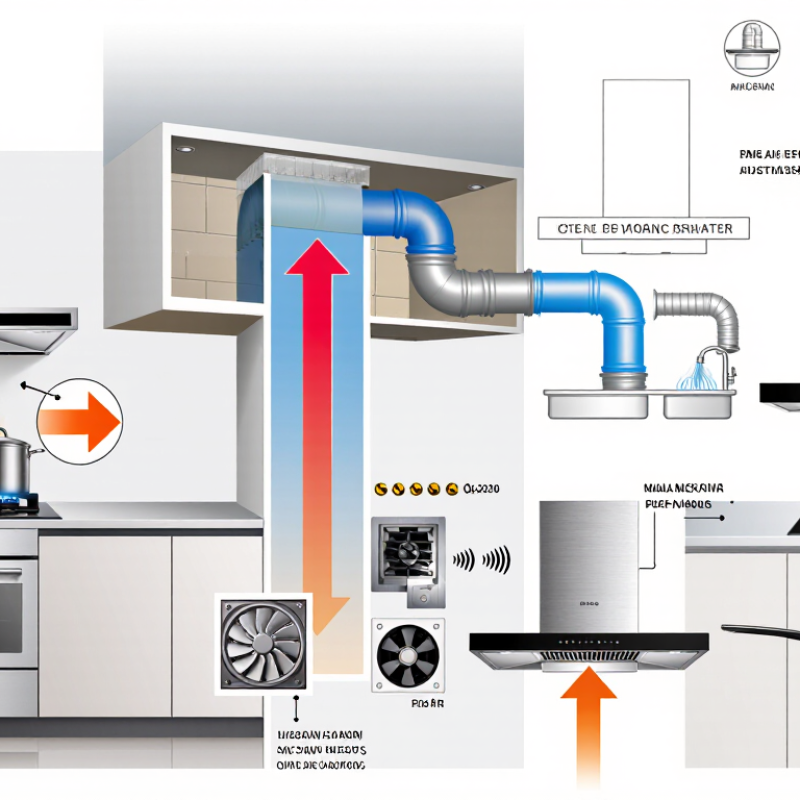
How to Choose a Range Exhaust Hood in 2026?

Assess Your Cooking Habits and Ventilation Needs

Assess Your Cooking Habits and Ventilation Needs

A hood should match what happens over your cooktop, not just its width. Frequent searing, wok cooking, or frying sends more heat, grease, and fine particles into the room than occasional simmering. The U.S. Environmental Protection Agency identifies cooking as a source of indoor particulate pollution; gas combustion can also produce nitrogen dioxide. Think about your kitchen, too. A small, enclosed room may hold fumes longer than an open kitchen. That difference matters.

ASHRAE Standard 62.2 lists 100 cubic feet per minute (CFM) for intermittent kitchen exhaust, or 25 CFM for continuous exhaust. Treat that as a baseline, not a universal sizing rule: capture depends on hood depth, burner layout, and how close the hood sits to the cooktop. Check independently certified airflow and sound ratings through the Home Ventilating Institute. A powerful hood that you avoid using because it is too loud is not much help. I would leave some room for judgment; real cooking rarely follows a neat test setup.

Tips: Turn the hood on before cooking and keep it running briefly afterward. Use the rear burners when practical, since many hoods capture fumes there more effectively. If the hood vents outdoors, confirm that your home can supply replacement air.

Measure Your Range and Determine the Hood’s Placement

Measure the cooking surface, not just the cabinet opening. Record the range’s width and depth, then note where its front burners sit. A 30-inch range needs a hood at least as wide; a wider hood can capture more escaping smoke. Check nearby cabinets, shelves, and trim before choosing the size. Small details matter.

Mark the range’s centerline on the wall or cabinet underside. The hood should sit directly above it, with enough depth to cover the front burners. Measure vertically from the cooktop to the hood’s underside. Required clearance varies by hood design and cooking surface, so follow the installation manual rather than relying on a generic number. Gas and electric setups may have different requirements. Check them carefully.

Also inspect the path for ductwork, if the hood vents outdoors. A short, direct route is generally easier to install than one with several bends. If the duct must pass through a cabinet, measure its interior space and look for shelves or wiring. I find it easy to focus on width and miss this. That mistake can change the whole plan.

Compare Hood Types, Coverage, and Airflow Capacity

How to Choose a Range Exhaust Hood in 2026?

Compare hood types before comparing airflow numbers. An under-cabinet hood suits a compact kitchen, while a wall-mounted chimney hood needs clear space above the range. Island models sit over an exposed cooktop, where cross-drafts can pull smoke away from the filters. Choose a hood that covers the full cooking surface; extra depth helps catch rising steam from front burners. Looks matter, but capture matters more.

Tips: Check the hood’s stated coverage and airflow capacity against your cooktop and kitchen layout. A wide pan can release smoke beyond a narrow hood. Measure the duct route, too: long runs, bends, and small ducts can reduce delivered airflow. Keep the installation manual handy.

Airflow is usually listed in cubic feet per minute, or CFM, but a larger number alone does not guarantee better ventilation. Match capacity to cooking heat, hood design, and duct conditions, following the hood maker’s sizing guidance and applicable local requirements. If you often sear food or use several burners, you may need more capture capacity. Also consider noise at the speeds you actually use; a loud hood may stay switched off. That trade-off is easy to miss. Before buying, check whether the duct can vent outdoors and whether the hood’s filters are accessible for regular cleaning.

Check Ducting, Noise Levels, Energy Use, and Installation Needs

Before choosing a hood, measure the cooktop and inspect the duct route. The Home Ventilating Institute’s sizing guidance uses about 100 cubic feet per minute per linear foot for wall-mounted hoods, and 150 for island hoods. Treat these as starting points, not guarantees. Lawrence Berkeley National Laboratory researchers found capture efficiency ranging from roughly 15% to 98% across tested residential exhaust devices. Hood shape, burner position, and airflow all mattered. Small details matter. A short, straight duct with the correct diameter usually works better than a powerful fan pushing air through several tight bends. Check the route.

Compare sound ratings in sones at the speed you will actually use. A quiet low setting is useful for simmering, but searing may need more airflow and create more noise. Check the published rating at each speed, not only the maximum setting. Look at motor wattage and lighting, too; lower settings generally draw less power, but real use depends on cooking habits. Before ordering, confirm cabinet width, mounting height, duct outlet location, and whether the wall or ceiling can support the unit. For gas cooking or a high-capacity hood, ask a qualified installer whether replacement air is needed. One easy-to-miss issue: a hood that fits the cabinet may still conflict with a joist, outlet, or duct bend. Measure twice.

Review Maintenance, Controls, Budget, and Local Safety Codes

A range hood is only useful when its filters and surfaces are easy to maintain. Check whether the grease filters can be removed without tools and cleaned as the manual directs. Stainless surfaces show fingerprints; textured finishes may hold grease in corners. Small detail, big difference. Set a cleaning schedule based on how often you cook, not an optimistic guess.

Controls should feel clear while you are stirring a pot. Large buttons or simple knobs are easier to use with damp hands than a crowded touch panel. Compare fan speeds and listen to the hood at the setting you expect to use most. A powerful fan that is too loud may stay switched off. That trade-off is easy to underestimate.

Budget for more than the hood itself. Installation, ductwork changes, and electrical work can raise the total, while some homes may need additional ventilation measures. Before buying, check local building and fire-safety requirements with your local code office or a qualified installer. Rules can vary by location and by kitchen layout. I would leave room in the budget for unexpected work; old duct routes rarely match neat diagrams.

How to Choose a Range Exhaust Hood in 2026? — Review Maintenance, Controls, Budget, and Local Safety Codes

Decision Factor What to Check Practical Guidance Why It Matters
Hood width and placement Compare the hood’s capture area with the cooktop and the manufacturer’s installation instructions. A hood should generally be at least as wide as the cooking surface. Mounting height depends on the hood type and product instructions; verify the required clearance above the cooktop. A correctly sized and positioned hood is better able to capture smoke, steam, grease, and cooking odors.
Venting method Determine whether the installation can exhaust air outdoors or needs a recirculating configuration. Outdoor venting removes cooking pollutants from the home. Recirculating models pass air through filters and return it indoors; they do not provide the same removal of moisture or combustion products. The available duct route, exterior wall or roof access, and local requirements can affect both performance and installation cost.
Airflow and ductwork Review the hood’s airflow rating, duct size, duct length, bends, and outlet requirements. Choose airflow suited to the appliance and cooking habits, and use the duct size and configuration specified by the manufacturer. Long, narrow, or sharply bent duct runs can reduce airflow and increase noise. A high airflow rating alone does not ensure good performance if the duct system is restrictive or improperly installed.
Controls and features Compare fan-speed settings, lighting, control layout, and any automatic or connected functions. Simple, reachable controls and multiple fan speeds are useful for everyday cooking. Check that lights and filters are easy to access and that any electronic features can be operated without a phone or network connection if needed. Convenient controls make it easier to use the hood consistently and select an appropriate setting.
Noise Look for sound ratings at the fan speeds you expect to use and consider where the blower is located. Compare published sound levels under comparable test conditions. Duct design, installation quality, and fan speed can affect perceived noise; ask an installer about options compatible with the selected hood. A quieter setup may be more comfortable for conversation and may encourage regular use.
Filter maintenance Check whether the hood uses washable metal grease filters, replaceable filters, or both. Clean grease filters regularly according to the manufacturer’s instructions. For recirculating models, replace or service odor filters at the stated interval; these filters are not always washable. Grease buildup can reduce airflow and create a fire risk. Maintenance needs and replacement-filter availability affect ongoing cost.
Cleaning and service access Inspect accessible surfaces, filter removal, light replacement, and access to the blower or duct connection. Prefer durable, easy-to-wipe surfaces and filters that can be removed without special tools. Follow the product instructions and disconnect power before servicing electrical components. Easy access makes routine cleaning more likely and can simplify repairs.
Budget and installation Account for the hood, ductwork, electrical work, exterior termination, permits, and labor. As a broad U.S. planning estimate, basic under-cabinet units may cost roughly $100–$500, while many higher-capacity, wall-mounted, or insert models can cost several hundred to over $2,000 before installation. Installation costs vary substantially with site conditions. The total installed cost can be much higher than the appliance price, especially when new ductwork or electrical work is needed. Obtain local estimates before purchase.
Makeup air and pressure balance Ask whether the hood’s exhaust capacity triggers a makeup-air requirement or other ventilation provisions. Requirements depend on the locally adopted code and amendments. For example, the 2021 International Residential Code includes a makeup-air provision for certain domestic cooking exhaust systems rated above 400 cubic feet per minute; the adopted edition and local rules must be confirmed. Exhausting large volumes of air can depressurize a home and affect combustion appliances or fireplace operation if replacement air is not properly addressed.
Local safety codes and permits Confirm applicable building, mechanical, electrical, fire-safety, and energy requirements with the local authority having jurisdiction. Code provisions vary by location and adopted code edition. Verify duct routing and termination, clearances, electrical connection, makeup-air rules, and permit requirements before installation; follow the appliance instructions as well. Local approval helps ensure the installation is safe and compliant. Do not assume a rule used in one jurisdiction applies everywhere.

Selection note: Use these points as a planning guide, not a substitute for the range-hood manufacturer’s instructions or local code review. Confirm dimensions, duct requirements, clearances, and permits with a qualified installer or the local building department before work begins.

Go to Top