How to Choose the Right Bellows Valves?
Choosing the right Bellows Valves begins with understanding the process, not simply comparing catalog prices. In real installations, a valve may face corrosive gases, high vacuum, repeated thermal cycling, or limited maintenance access. Each condition changes the selection decision. A valve that performs well on a clean laboratory line may fail quickly in a chemical processing system.
Start with the media, operating pressure, temperature range, and required flow rate. Then examine leakage requirements, connection size, body material, and bellows construction. Welded bellows often provide strong containment for demanding applications, while formed bellows may suit less severe duties. The choice should match actual operating conditions, including pressure spikes and frequent movement.
Small details matter.
Experienced engineers also review actuator compatibility, installation direction, service access, and replacement parts. A pneumatic actuator may improve response time, but it can increase system complexity. Manual operation may appear simpler, yet it can create inconsistent control during frequent adjustments. These trade-offs deserve careful review.
Reliable selection depends on traceable test data, clear technical drawings, material certificates, and supplier support. Check pressure ratings at the actual temperature, rather than relying on a headline specification. Confirm whether the manufacturer has tested leakage performance under comparable conditions. Standards and application guidance are useful, but they cannot replace field judgment.
No selection method is perfect. I have seen technically correct valves struggle because maintenance space was ignored. That is an easy mistake to repeat. A practical decision should balance safety, durability, controllability, lifecycle cost, and the consequences of failure. The best Bellows Valves are not merely well manufactured; they are correctly matched to the process and its people.
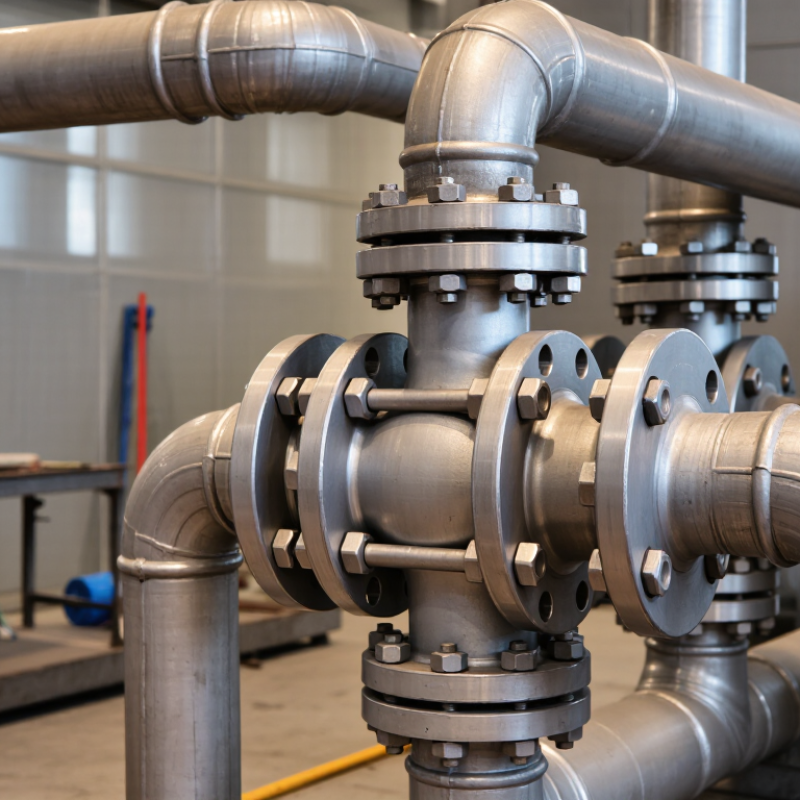
Define Pressure and Temperature Limits Using ASME B16.34 Ratings
Choosing a bellows valve begins with pressure and temperature, not nominal pipe size. ASME B16.34:2022 assigns pressure-temperature ratings by pressure class, material group, and temperature. The rating is not a universal maximum. A stainless-steel valve at room temperature may lose allowable pressure as temperature rises. Check the exact material table.
Record normal, start-up, shutdown, and upset conditions. Then compare them with the ASME rating at the highest metal temperature. Include steam, vacuum, thermal cycling, and external pipe loads. A practical review should also check bellows fatigue life, seat leakage, and corrosion compatibility. The International Energy Agency’s World Energy Investment 2024 report describes continued investment in LNG, refining, and industrial facilities, where hot, pressurized services remain common. Those environments leave little room for casual assumptions.
Ask for the pressure-temperature chart, material specification, hydrostatic test basis, and leakage classification. Do not accept “Class 600” as enough information. The class number alone hides temperature limits and material differences. For oxygen, hydrogen, or toxic fluids, involve a qualified engineer and review applicable piping codes. A neat spreadsheet can still mislead. I have seen selections fail because engineers used process temperature instead of valve-body temperature. That detail matters. Recheck the rating after insulation, tracing, and transient conditions are defined.
References: ASME B16.34:2022; International Energy Agency, World Energy Investment 2024.
Match Bellows and Trim Materials to Corrosion and Service Temperature
How to Choose the Right Bellows Valves?
Match Bellows and Trim Materials to Corrosion and Service Temperature
Selecting a bellows valve starts with the process fluid, not the valve body. Identify acids, chlorides, moisture, oxidizers, and cleaning chemicals. Small impurities can change material performance. A stainless bellows may handle one service well, yet fail quickly in another. Check concentration, pressure, temperature, and exposure time together.
Service temperature affects both the bellows and internal trim. High heat can reduce fatigue life, weaken seals, and increase thermal expansion. Low temperatures may make some alloys less ductile. The trim should resist corrosion and maintain hardness during repeated cycling. For abrasive media, a harder trim may be useful, but hardness alone does not guarantee compatibility. In plant inspections, I have seen valves selected from temperature data only. That shortcut created unexpected leakage and shortened maintenance intervals.
Tips: Request corrosion data from the fluid supplier. Compare it with verified material charts and previous service records. Review the number of operating cycles, not only pressure and temperature. Pay attention to welded bellows areas, where stress can concentrate. A small test is wise.
Material charts are helpful, but they are not perfect. Actual contamination, velocity, and shutdown conditions can alter results. When the service is uncertain, involve a qualified valve engineer and document the assumptions. That record makes future decisions more reliable, even when the original choice needs revision.
Size the Valve by Flow Coefficient (Cv), Line Size, and Pressure Drop
How to Choose the Right Bellows Valves?
Select a bellows valve by flow coefficient, line size, and pressure drop, not by pipe diameter alone. A DN80 line may still require a smaller Cv when the process flow is low. For liquids, ISA 75.01.01 uses Cv = Q√(SG/ΔP), where Q is flow in gallons per minute, SG is specific gravity, and ΔP is pressure drop in psi. For example, 100 gpm of water with a 1 psi drop requires a Cv near 100. Do not guess.
IEC 60534-2-1 provides the sizing framework for liquid, gas, and steam control valves. Gas and steam calculations must check density, temperature, and possible choked flow. A pressure drop that looks harmless on a datasheet may produce noise, vibration, or flashing at the outlet. I normally confirm upstream and downstream pressures at operating temperature, then compare the calculated Cv with the manufacturer’s tested capacity.
Line size still matters. A valve that is too small can create excessive velocity and erosion near the seat. An oversized valve may operate almost closed, reducing control resolution and increasing wear. ASME B16.34 should be checked for pressure-temperature ratings and end connections. In field reviews, I have seen a generous safety margin cause unstable control. That assumption fails. Recalculate using minimum, normal, and maximum flow, because one operating point rarely represents the whole process.
Verify Fugitive Emissions Against ISO 15848-1 Classes A, B, and C
How to Choose the Right Bellows Valves?
Fugitive emissions should guide bellows valve selection, not appear as an afterthought. ISO 15848-1 classifies external leakage performance into Classes A, B, and C. Class A represents the tightest tested performance, while Class C allows higher leakage. The correct class depends on fluid toxicity, volatility, operating temperature, and maintenance risk. A valve passing one test may still perform differently after repeated thermal cycles. Ask for test conditions, cycle counts, test media, and measured leakage values. “Compliant” alone is not enough evidence.
The International Energy Agency’s Global Methane Tracker 2024 estimated about 120 million tonnes of methane emissions from fossil fuel operations in 2023. This figure shows why small leaks deserve serious attention.
For hazardous or highly volatile service, Class A is usually the stronger engineering target. Class B or C may fit less critical duties, but only after documented risk assessment. Pressure rating and corrosion resistance still matter. A low-emission design cannot compensate for unsuitable materials.
Tips
Compare the supplier’s ISO 15848-1 report with your actual temperature, pressure, fluid, and valve size. Check whether the test covered packing, bonnet joints, and stem movement. Inspect the bellows after cycling, not only before installation. Keep records from commissioning and later inspections. In practice, specifications sometimes look precise but miss real operating changes. That gap deserves review.
Compare Cycle Life, Maintenance Needs, and Total Ownership Cost
When comparing bellows valves, do not treat cycle life as a single catalog number. It depends on pressure, temperature, stroke frequency, media, and installation quality. A valve cycling twice daily faces a different duty than one moving every few seconds. Ask for documented test conditions, not only the final figure. A welded metal bellows can reduce external leakage risk and protect sensitive process areas. However, repeated thermal shocks may fatigue the bellows sooner than expected. Often overlooked. Match the valve to the real operating pattern, including start-up and emergency cycles. Then verify seat shutoff through representative testing.
Maintenance needs are usually lower because there is no stem packing to adjust. Still, the valve is not maintenance-free. Inspect weld areas, actuator response, seat leakage, and nearby supports during scheduled shutdowns. Keep records. A simple log of cycle count and temperature can reveal gradual degradation before failure. Total ownership cost includes purchase price, installation labor, spare valves, inspection time, downtime, and disposal. A cheaper unit may become expensive after one unplanned shutdown. Yet the most robust design is not always economical. Oversizing can increase cost and reduce control precision. Compare normal service, harsh service, and credible failure scenarios. This exposes assumptions that product brochures may hide. Some assumptions will be wrong. Revise them.
How to Choose the Right Bellows Valves?
Comparison of cycle life, planned maintenance needs, and estimated 10-year total ownership cost for common bellows valve configurations.
Typical engineering planning values are shown for comparison only. Actual cycle life depends on pressure, temperature, media, actuation speed, stroke frequency, and installation quality. Total ownership cost includes indicative purchase, installation, planned maintenance, and replacement costs over ten years.