What is Lyocell Fiber Fill and How is it Used?
Lyocell fiber fill is gaining popularity as a versatile material in various industries. Known for its eco-friendly properties, lyocell is derived from sustainable wood sources. This fabric has unique qualities that make it ideal for bedding, clothing, and upholstery. Many consumers appreciate its softness and breathability, which enhance comfort.
Using lyocell fiber fill means choosing a sustainable option. Manufacturers are adopting it due to its biodegradable nature. Products made with lyocell are often labeled as environmentally friendly. This appeal draws a wide range of buyers, from eco-conscious individuals to fashion enthusiasts.
However, the use of lyocell fiber fill does come with challenges. Its production process requires careful management to ensure quality. Not all products on the market are created equal. Some may lack the desired durability or comfort. As consumers become more informed, they must scrutinize labels and sources. This awareness can help enhance trust in the brand and the product.
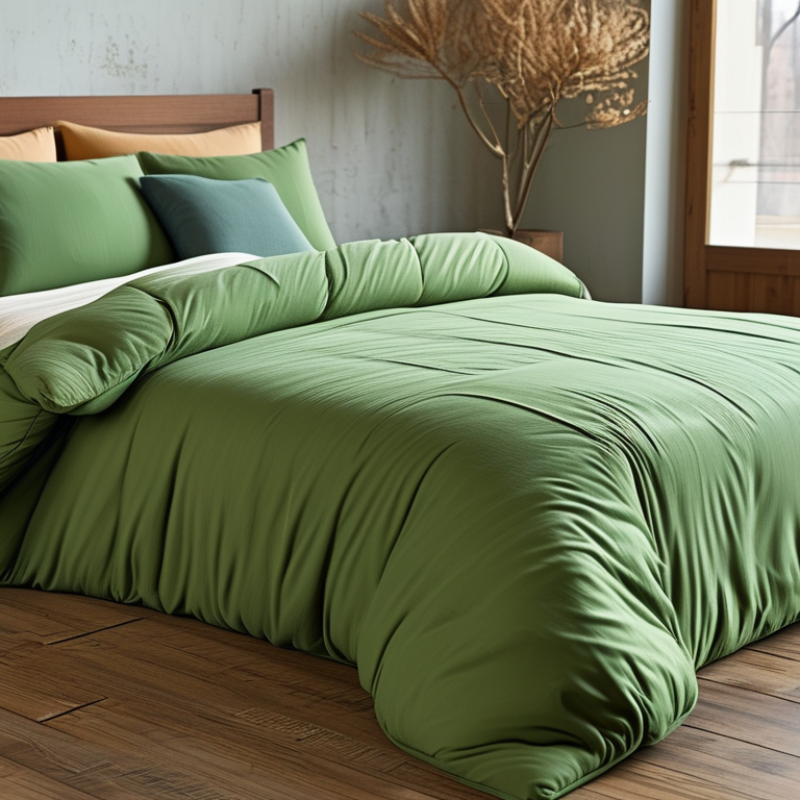
What is Lyocell Fiber Fill and Its Origins in Textile Manufacturing
Lyocell fiber fill has gained popularity in recent years due to its sustainable origins and exceptional qualities. Derived from wood pulp, primarily eucalyptus, this fiber undergoes a closed-loop production process that recycles water and solvents. Industry reports show that lyocell production uses up to 95% less water than conventional cotton production, making it an eco-friendly option. The process emits fewer greenhouse gases, aligning with global sustainability goals.
In textile manufacturing, lyocell fiber fill is used in various applications, from bedding to clothing. Its luxurious softness and moisture-wicking properties make it ideal for comfort. Unlike synthetic fibers, lyocell offers breathability, allowing for temperature regulation. According to The Textile Institute, products utilizing lyocell fibers maintain their shape well over time and resist wrinkling, which adds to their appeal in high-quality textiles.
Tips: When choosing lyocell products, look for certifications indicating sustainable sourcing. Pay attention to the fiber’s origin; reputable brands trace their wood sources back to their origins. Consider products with a blend of lyocell and natural fibers for added comfort and durability. While lyocell’s benefits are significant, the reliance on a single type of wood for sourcing raises concerns about biodiversity. This aspect deserves reflection in the context of our growing textile needs.
Key Properties of Lyocell Fiber: Sustainability and Comfort Benefits
Lyocell fiber, derived from wood pulp, stands out for its sustainable production process. It's made through a closed-loop system that recycles solvents, minimizing waste. According to the Textile Exchange, Lyocell is 50% more efficient in resource use compared to cotton. This efficiency appeals to eco-conscious consumers, marking Lyocell as a leading choice in sustainable textiles.
Comfort is another hallmark of Lyocell fiber. Its soft texture enhances user experience, making it suitable for various applications. Studies show that Lyocell can absorb moisture better than cotton, providing a cooling effect. This is particularly beneficial in warmer climates. Moreover, its breathable nature contributes to an overall cozy feeling, which many consumers seek in clothing and bedding.
Despite its advantages, some concerns arise. Lyocell production requires specific conditions to remain eco-friendly. If improperly managed, it may lead to environmental impacts. Awareness of these factors is crucial for consumers. The journey toward sustainability in textile production is ongoing. Efforts must continue to ensure the positive impact of Lyocell fibers.
Applications of Lyocell Fiber Fill in Bedding and Apparel Industries
Lyocell fiber fill is gaining traction in both the bedding and apparel industries. This innovative material, derived from wood pulp, is known for its softness and moisture-wicking properties. In bedding, it is commonly used in comforters and pillows. Its ability to regulate temperature makes it ideal for versatile sleeping environments. Many consumers appreciate how Lyocell resists allergens and bacteria, promoting a healthier sleep space.
In the apparel industry, Lyocell is often used in activewear and casual clothing. The fiber's breathability enhances comfort during workouts. Clothes made from Lyocell can feel cool to the touch. It's a sustainable choice, appealing to eco-conscious shoppers. However, some garments can require special care. Users may find drying time longer than expected, which could lead to frustration.
Despite its advantages, Lyocell fiber fill does have potential drawbacks. The production process, while eco-friendly, still has its complexities. Some manufacturers struggle with consistency in quality. Consumers should research their options carefully. Not every product meets the high standards associated with Lyocell. Making informed choices is key in today’s marketplace.
What is Lyocell Fiber Fill and How is it Used? - Applications of Lyocell Fiber Fill in Bedding and Apparel Industries
| Application | Industry | Benefits | Characteristics |
| Bedding (Duvets, Pillows) | Home Textiles | Softness, Breathability | Moisture-wicking, Durable |
| Activewear | Apparel | Comfort, Stretch | Eco-friendly, Lightweight |
| Sleepwear | Apparel | Cooling, Luxurious feel | Silky texture, Biodegradable |
| Loungewear | Apparel | Versatile, Stylish | Soft, Anti-static |
Comparative Analysis: Lyocell Fiber vs. Traditional Fill Materials
Lyocell fiber is gaining traction in various industries, particularly for its sustainable properties. Compared to traditional fill materials like polyester and down, Lyocell offers several notable advantages. According to a 2021 textile report, Lyocell is made from sustainably sourced wood pulp, which results in a biodegradable fabric. This attribute appeals to environmentally conscious consumers. In contrast, polyester, a common synthetic fill, often poses significant environmental challenges due to its reliance on fossil fuels.
One primary distinction between Lyocell and traditional fills lies in moisture management. Lyocell fibers can absorb moisture up to 50% more efficiently than cotton, as stated in a 2020 fiber performance report. This capability keeps users comfortable, especially in bedding and apparel. While down is praised for its warmth, it falls short in moisture absorption. Lyocell, therefore, provides a balanced performance, making it an ideal consideration for various applications.
Despite its benefits, the market for Lyocell is still hindered by a knowledge gap. Some consumers remain unaware of its advantages compared to traditional fills. Furthermore, the cost of production can be higher than polyester, potentially leading to limited accessibility. More education regarding Lyocell's benefits is essential. As industry reports suggest, companies could leverage this opportunity to highlight sustainability alongside performance metrics.
Environmental Impact of Lyocell Production in the Textile Industry
Lyocell fiber is a popular choice in the textile industry for a reason. However, it’s crucial to examine its environmental impact. The production of Lyocell involves dissolving wood pulp. This process uses a non-toxic solvent, making it safer than some alternatives. But the sourcing of raw materials can raise concerns.
Sustainable forestry practices are essential for reducing the ecological footprint. If trees are harvested irresponsibly, it can lead to deforestation. This, in turn, affects biodiversity. Additionally, the manufacturing process still consumes water and energy. While it is less harmful than traditional fibers, the environmental cost cannot be ignored.
Recycling Lyocell is still in its infancy. Efforts to reclaim it are ongoing but not widespread. The textile industry must innovate to create a circular economy around Lyocell. In a world focused on sustainability, reflection is necessary. Are we doing enough to ensure the health of our planet while producing materials like Lyocell?
Environmental Impact of Lyocell Fiber Production