What is Red Light Face Therapy and How Does It Work?
Red Light Face Therapy is gaining popularity for its potential skin benefits. This non-invasive treatment uses specific wavelengths of light to promote healing and rejuvenation. Many people are curious about how it works and what it can do for their skin health.
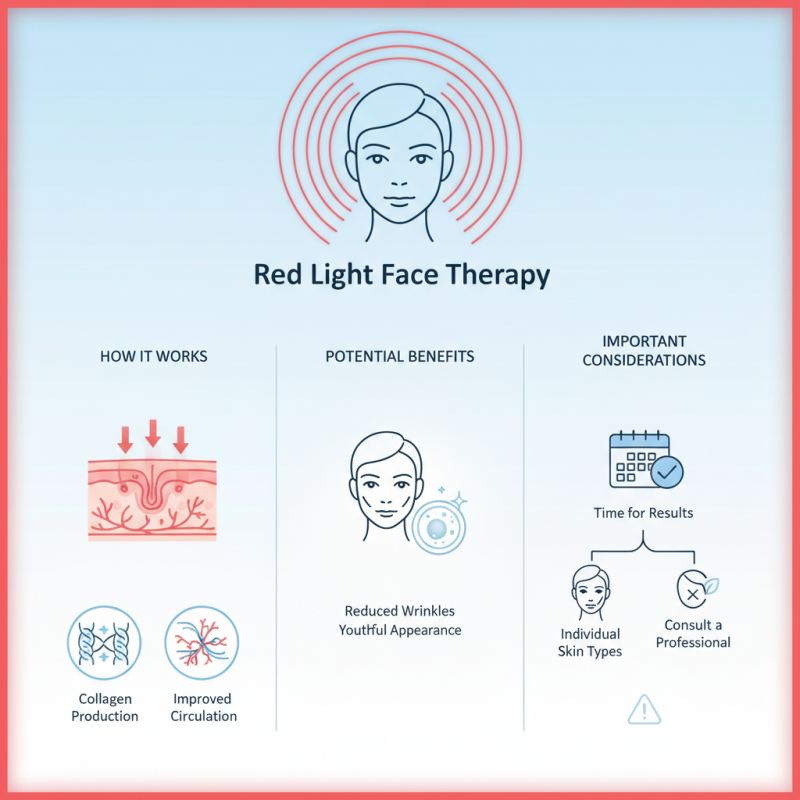
This therapy involves exposing the skin to low-level red light. This light penetrates the skin, stimulating collagen production and improving circulation. Users often report reduced wrinkles and a more youthful appearance. However, results can vary. Individual skin types and conditions play a crucial role in effectiveness.
While the science behind Red Light Face Therapy shows promise, it is essential to approach it with realistic expectations. Some users may find it takes time to see noticeable improvements. Additionally, potential side effects, though rare, do exist. Always consult with a professional before starting any new treatment.
What is Red Light Face Therapy?
Red Light Face Therapy is a growing trend in skincare. This therapy utilizes specific wavelengths of light to penetrate the skin deeply. Many people seek it out for its potential benefits, which include increased collagen production and improved skin tone.
The science behind this therapy is fascinating. The red light targets cellular energy, stimulating the mitochondria in skin cells. This process can enhance healing and reduce inflammation. Users often report a radiant glow after just a few sessions. However, results can vary. Some may experience redness or irritation. It’s crucial to consult a skincare professional before starting treatment.
While many individuals find red light therapy beneficial, not everyone will see the same outcomes. Factors like skin type and lifestyle can influence results. It's essential to maintain realistic expectations. As with any treatment, monitoring your skin's response is key. Adjustments may be necessary to achieve desired effects.
The Science Behind Red Light Therapy
Red light therapy has gained attention for its potential skin benefits. The science behind it lies in the use of specific wavelengths of light. Typically, red light ranges from 600 to 650 nanometers. This spectrum is absorbed by the skin, promoting cellular activity. Increased energy in cells can enhance collagen production, improving skin texture and elasticity.
With regular use, red light therapy may reduce inflammation and accelerate healing. Many find it beneficial for acne, scars, and other skin conditions. Different individuals may experience varied results. It’s essential to manage expectations and consider skin type when trying this therapy.
Tips:
Ensure the treatment area is clean before use. This maximizes light absorption. Start with shorter sessions and gradually increase time. Listen to your skin's response; overuse may cause irritation. Always consult a professional if you have underlying skin conditions.
How Red Light Therapy Benefits the Skin
Red light therapy is gaining popularity for its benefits on skin health. This treatment involves applying low-level red light to the skin, promoting healing at the cellular level. Many users report noticeable improvements in skin texture and tone. Users often say it feels warm and soothing, enhancing the experience.
One of the primary benefits of red light therapy is its ability to stimulate collagen production. Collagen is essential for skin elasticity and youthfulness. Increased collagen leads to fewer wrinkles and a plump appearance. Additionally, red light can reduce inflammation. This can be helpful for conditions like acne and rosacea, where inflammation is a key concern.
However, not all sessions yield visible results. Some users may require multiple treatments to see changes. It's important to manage expectations and understand that effectiveness can vary. Skin type, age, and consistency of treatment play significant roles. While many find red light therapy effective, others might not experience the same benefits. Exploring different methods can help identify what truly works for each individual.
Common Applications of Red Light Face Therapy
Red light face therapy has gained popularity for its numerous applications in skincare. This non-invasive treatment uses specific wavelengths of light to penetrate the skin. It stimulates collagen production, improving skin texture and tone. Many users rely on this therapy for anti-aging benefits, as it helps reduce fine lines and wrinkles.
Another common application is acne treatment. Red light therapy can calm inflammation, resulting in clearer skin over time. This approach is safer than many chemical treatments. Users often appreciate that it promotes a healing environment.
Tips: Always consult a skincare professional before starting treatment. Assess your skin type and conditions first. Consistency is key; regular sessions can improve results significantly. Remember, not every method works the same for everyone. You might need to experiment to find what suits your skin best.
What is Red Light Face Therapy and How Does It Work? - Common Applications of Red Light Face Therapy
| Application | Description | Benefits | Duration | Frequency |
| Acne Treatment | Uses red light to reduce inflammation and bacteria on the skin. | Decreases acne breakouts, reduces redness. | 15-20 minutes | 3-4 times a week |
| Wrinkle Reduction | Stimulates collagen production to improve skin elasticity. | Diminishes fine lines and wrinkles, enhances skin texture. | 20-30 minutes | 2-3 times a week |
| Wound Healing | Accelerates healing of wounds and scars with light therapy. | Promotes faster tissue repair, reduces scar formation. | 10-15 minutes | Daily to weekly, based on severity |
| Skin Tone Improvement | Balances skin tone and reduces hyperpigmentation. | Evens out skin tone, reduces dark spots. | 15-25 minutes | 2-4 times a week |
| Rosacea Relief | Alleviates symptoms of rosacea via reduced inflammation. | Decreases redness and irritation, soothes sensitive skin. | 15-20 minutes | 2-3 times a week |
Safety and Considerations in Red Light Therapy Usage
Red light therapy has gained popularity for its skin benefits. However, users must consider safety and effectiveness. This treatment uses low-wavelength red light. It penetrates the skin and promotes healing. People often seek this therapy for acne, wrinkles, and skin rejuvenation. But, safety is essential to ensure positive results.
Before starting therapy, it’s important to consult with a healthcare professional. Individual skin types can react differently. Some may experience irritation or redness after sessions. Knowing your skin and its sensitivities can provide a clearer path. Always follow guidelines for safe usage, such as maintaining distance from the light source. Too much exposure can lead to undesirable effects.
It’s crucial to use red light therapy in moderation. Overuse may lead to skin issues rather than improvement. Monitoring your skin’s response is essential. Maintain realistic expectations about results. Many users experience gradual changes, not overnight transformations. Staying informed and cautious can enhance your red light therapy experience.