Top Artificial Lift Technologies in China What You Need to Know
Artificial Lift Technologies play a crucial role in the oil and gas industry, particularly in China. These technologies enhance the production of oil from wells, ensuring efficient extraction processes. In recent years, China has invested heavily in advancing these technologies. The growing demand for energy fuels this innovation. Companies are constantly exploring new methods to optimize performance.
Despite advancements, challenges remain in implementing these technologies effectively. Issues like cost and limited infrastructure can hinder progress. There is also a need for skilled professionals to manage these systems. Understanding the intricacies of Artificial Lift Technologies is essential for success in the competitive landscape.
As the market evolves, ongoing research and development are vital. Companies must adapt to the changing demands of the energy sector. Embracing new technologies could lead to more efficient and sustainable operations. Awareness of the current trends and challenges in Artificial Lift Technologies will be beneficial for all stakeholders involved.
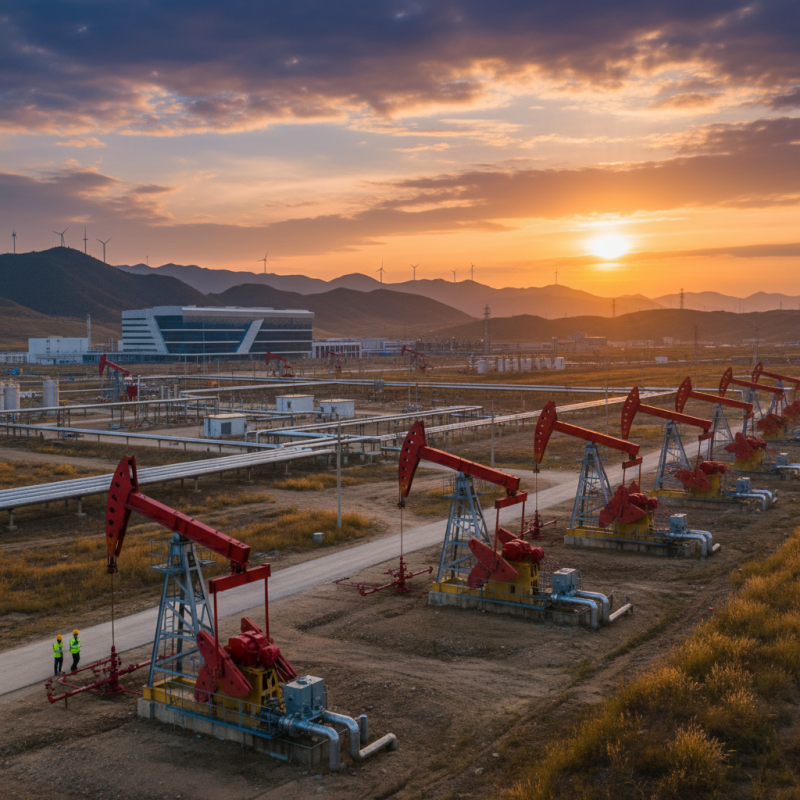
Overview of Artificial Lift Technologies in China
Artificial lift technologies play a crucial role in enhancing oil production in China. These methods help to extract oil from underground reservoirs efficiently. The conventional systems used include gas lift, electric submersible pumps, and sucker rod pumping. Each technology has unique advantages and drawbacks.
Gas lift is popular due to its simplicity and effectiveness. It uses gas injected into the well to lift the oil. However, this method can be less efficient in deep wells. Electric submersible pumps are highly versatile. They can handle various production rates but require significant maintenance. The use of sucker rod pumping is declining in modern fields. Its mechanical nature can be prone to wear and tear.
Data from several oil fields reveal inconsistent performance across various regions. The harsh geological conditions in some areas challenge the effectiveness of these lifts. Operators often face unexpected downtime. This inconsistency highlights the need for continuous innovation and adaptation within the industry. As technology advances, understanding these lifting methods will be crucial for future oil production in China.
Key Types of Artificial Lift Systems Used in Chinese Oil Fields
Artificial Lift Systems play a crucial role in enhancing oil production in Chinese oil fields. Among these technologies, the most prominent include beam pumps, electric submersible pumps (ESPs), and gas lift systems. Each of these systems has its unique advantages and limitations.
Beam pumps are widely used in mature fields. They are reliable and relatively inexpensive. However, their efficiency can drop sharply in deeper wells. Electric submersible pumps (ESPs) are more suitable for deeper and high-volume wells. They can significantly boost production but require higher maintenance. Gas lift systems use gas to reduce fluid density, making it easier to lift oil. This method works well in certain conditions but can be complex to manage.
**Tips:** When selecting a lifting method, consider the well depth and production goals. Not all methods suit every situation. Test small before scaling up your operations to minimize risks. A trial-and-error approach might save time and resources when evaluating new technologies. Adaptability is key in this ever-evolving industry.
Top Artificial Lift Technologies in China
| Type of Artificial Lift | Description | Applications | Advantages |
| Beam Pumping | Mechanical device that uses a pumping unit to lift fluids. | Wells with low reservoir pressure. | Proven reliability, low maintenance costs. |
| Electric Submersible Pump (ESP) | Pump system installed underwater to lift fluids to the surface. | High-volume production wells. | High efficiency, capable of handling large volumes. |
| Gas Lift | Uses gas injected into the well to reduce fluid density. | Wells with high gas-to-oil ratio. | Cost-effective, adaptable to varying production rates. |
| Hydraulic Pumping | Uses hydraulic power to lift fluids from wells. | Heavy oil reservoirs and deep wells. | Efficient for heavy crude and high viscosity fluids. |
| Progressing Cavity Pump (PCP) | Rotary positive displacement pump that progressively lifts fluids. | Viscous oil, low-pressure reservoirs. | Handles varying fluid types, compact design. |
Advantages and Challenges of Implementing Artificial Lift in China
Artificial lift technologies play a crucial role in the oil and gas industry. In China, these technologies have both advantages and challenges. Understanding these aspects is essential for successful implementation.
One significant advantage is increased production efficiency. According to recent industry reports, artificial lift can boost oil recovery rates by up to 30%. This improvement helps meet rising energy demands. However, the implementation process is not always smooth. Challenges include high initial costs and the need for skilled labor. Many companies struggle to find trained personnel. This gap can hinder technology adoption in remote areas.
Tips: Conduct thorough training programs for your team. This investment in skills can improve operational efficiency. Also, consider phased implementation. Begin with pilot projects to minimize risk and assess suitability.
While the merits are clear, potential drawbacks exist. Environmental regulations may hinder specific technologies. Maintenance is another concern, as equipment can be prone to failure. Companies must be prepared for ongoing expenses and downtime. Addressing these challenges is vital for long-term success in the sector.
Recent Innovations and Trends in China’s Artificial Lift Industry
In recent years, China's artificial lift industry has seen significant innovations. Data from the Ministry of Natural Resources suggests that artificial lift systems account for over 60% of oil production in China. This shift is vital. With the country's oil consumption rising, more efficient techniques are crucial.
One trend is the integration of advanced sensors in artificial lift technologies. According to a report by the China Petroleum Technology Development Corporation, these sensors improve monitoring and control. They allow for real-time data analysis, leading to better decision-making. However, challenges remain. Many operators still rely on outdated methods, which can hinder efficiency.
Another critical development is the emphasis on sustainability. The industry is increasingly focusing on reducing emissions. A report from the China National Energy Administration highlights that new technologies aim to decrease the carbon footprint of artificial lift systems. Despite this progress, many in the field express concerns about high costs and the transition to greener alternatives. The path forward isn't clear. Continuous adaptation and innovation are necessary to stay competitive.
Future Outlook for Artificial Lift Technologies in the Chinese Market
The future of artificial lift technologies in the Chinese market looks promising yet challenging. As oil and gas extraction needs evolve, the demand for efficient systems grows. Innovations aim to enhance recovery rates and reduce operating costs. Emerging technologies like electrical submersible pumps and gas lift systems are gaining traction. They offer flexibility and adaptability for various production environments.
However, there are hurdles to assess. Companies must consider technical limitations and integration issues. Training personnel to manage new systems presents a challenge. Moreover, the environmental impact of these technologies raises concerns. The focus must also be on sustainability and reducing the carbon footprint.
Despite these challenges, investment in research and development is crucial. The market will benefit from local innovations tailored to specific geological conditions. Collaboration between industry players can lead to breakthroughs. Understanding these dynamics will be essential for stakeholders looking to thrive in this evolving landscape.