Why Choose Lithium Iron Batteries for Your Energy Needs?
When it comes to choosing batteries for energy needs, Lithium Iron Batteries stand out. Their unique chemistry enables high energy density and long cycle life, making them a preferred choice in various applications. Unlike traditional batteries, Lithium Iron Batteries offer improved safety and thermal stability. They are less prone to overheating, reducing the risk of fire hazards.
Many users appreciate the lightweight nature of these batteries. This makes them ideal for portable devices and electric vehicles. However, some may find their initial cost to be higher than lead-acid options. It’s essential to weigh the upfront expense against long-term benefits such as durability and low maintenance.
While Lithium Iron Batteries are highly reliable, they are not without limitations. Aging can reduce their capacity, and performance may vary based on temperature. Understanding these factors is crucial for making informed decisions. With their proven advantages, Lithium Iron Batteries remain a compelling choice for those seeking efficient energy solutions.
Benefits of Lithium Iron Batteries for Energy Storage
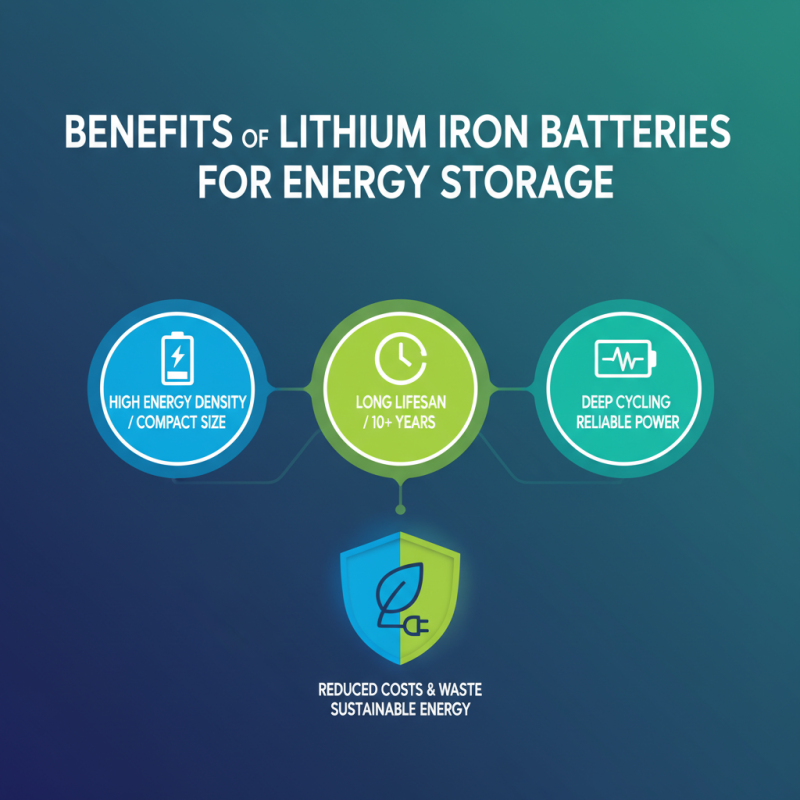
Lithium iron batteries have gained popularity for energy storage due to their numerous benefits. They offer high energy density, which means they can store a lot of power in a compact size. This is particularly important for applications where space is limited. Their longevity is impressive as well, often lasting over 10 years. This longevity reduces replacement costs and waste. Moreover, they withstand deep cycling better than many other batteries. Users can rely on them without fear of rapid degradation.
Another key advantage is their safety. Lithium iron batteries are more stable compared to other lithium types. They are less prone to overheating, which minimizes the risk of fire. This safety feature makes them suitable for various environments, including residential use. There are still concerns, though. Some users report slower charging times. This can be an issue in situations requiring rapid energy replenishment.
Despite their many benefits, lithium iron batteries have downsides. They tend to be more expensive initially than other battery types. This can deter budget-conscious consumers. However, considering their lifespan and efficiency, many find them a wise investment. Potential buyers should assess their specific needs carefully. This reflective approach ensures they make informed decisions about energy storage.
Comparison of Lithium Iron Batteries with Other Battery Technologies
Lithium iron batteries have gained attention due to their performance and safety features. Compared to traditional lead-acid batteries, they offer a higher energy density, with capacities often exceeding 150 Wh/kg. This means they can store more energy in a smaller package, making them ideal for various applications, from electric vehicles to renewable energy systems.
When comparing lithium iron batteries to nickel-cadmium (NiCd) batteries, the difference becomes evident. NiCd batteries suffer from memory effect, which limits their charge capacity. In contrast, lithium iron batteries don’t exhibit this issue, leading to more reliable performance over time. According to a 2022 report by the International Energy Agency, lithium iron phosphate batteries can have a cycle life of over 2,000 cycles. This longevity often outweighs the initial costs.
However, lithium iron batteries do have their drawbacks. They can be more expensive upfront than other technologies. Their performance can drop in extreme temperatures, which might not suit every environment. As the industry evolves, these challenges are under continuous investigation. Balancing cost, efficiency, and suitability remains critical for users.
Applications of Lithium Iron Batteries in Renewable Energy Systems
Lithium iron batteries, known for their stability and safety, are increasingly popular in renewable energy systems. Their applications range from solar energy storage to wind power management. These batteries provide a robust solution for energy storage needs, particularly in off-grid installations. Data from the International Energy Agency indicates that energy storage capacity needs could grow by 30-fold by 2040. This growth highlights the necessity of reliable battery technologies.
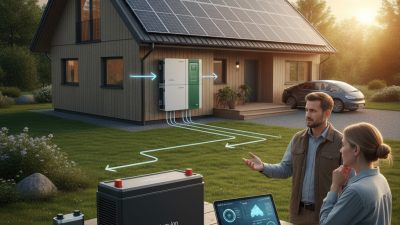
In solar energy applications, lithium iron batteries can effectively store surplus power generated during peak sunlight hours. This stored energy can then be used during cloudy days or at night. The capacity to endure hundreds of charge cycles makes them ideal for long-term energy management. A study from BloombergNEF shows lithium batteries are projected to contribute significantly to energy storage, comprising 61% of the market by 2030.
Tips: Consider the size and depth of discharge for your application. Assess how much energy you need to store and for how long. Proper sizing enhances battery longevity. As with any technology, drawbacks exist, such as the potential for thermal runaway and the need for a cooling system. Addressing these issues can lead to more efficient usage in renewable energy systems.
Why Choose Lithium Iron Batteries for Your Energy Needs? - Applications of Lithium Iron Batteries in Renewable Energy Systems
| Application Area |
Benefits |
Key Features |
Typical Capacity (kWh) |
| Solar Energy Storage |
Efficient energy storage, long lifecycle |
High thermal stability, eco-friendly |
5 - 15 |
| Wind Energy Systems |
High discharge rates, quick recharge times |
Exceptional cycle life, lightweight |
10 - 25 |
| Electric Vehicles |
Long driving ranges, robust safety features |
Fast charging, low degradation |
20 - 100 |
| Backup Power Systems |
Reliable power supply during outages |
Compact design, high efficiency |
5 - 30 |
| Grid Energy Storage |
Supports peak load management |
Scalable solutions, flexible deployment |
100 - 500 |
Understanding the Safety Features of Lithium Iron Batteries
Lithium iron batteries stand out due to their exceptional safety features. Unlike traditional lithium-ion batteries, lithium iron phosphate (LiFePO4) batteries have a stable chemistry. This stability significantly reduces the risk of thermal runaway, a phenomenon where batteries overheat and may catch fire. Industry reports indicate that the thermal stability of LiFePO4 batteries is substantially higher, with studies showing that they can withstand temperatures up to 300°C without decomposition.
Another critical aspect is the inherent protection against overcharging. Lithium iron batteries are designed with built-in safety mechanisms. These mechanisms prevent overcurrent and overvoltage situations, reducing the risk of battery failure. Reports suggest that such measures can lower the chances of accidents by up to 80%. Users who prioritize safety find these features reassuring, especially in applications like solar energy storage or electric vehicles.
However, despite these advancements, there are still gaps in user awareness about the proper handling of lithium iron batteries. While generally safe, improper storage and installation can lead to issues. As the market grows, educating consumers should become a priority alongside the production of safer battery technologies. Continuous research and development in this field are essential to address these challenges.
Battery Type Comparison: Energy Density and Cycle Life
This chart compares the energy density and cycle life of lithium iron batteries against other common battery types. Lithium iron batteries stand out with a good balance of energy density and an impressive cycle life, making them a preferred choice for many energy needs.
Cost-Efficiency Analysis of Lithium Iron Batteries in Long-Term Use
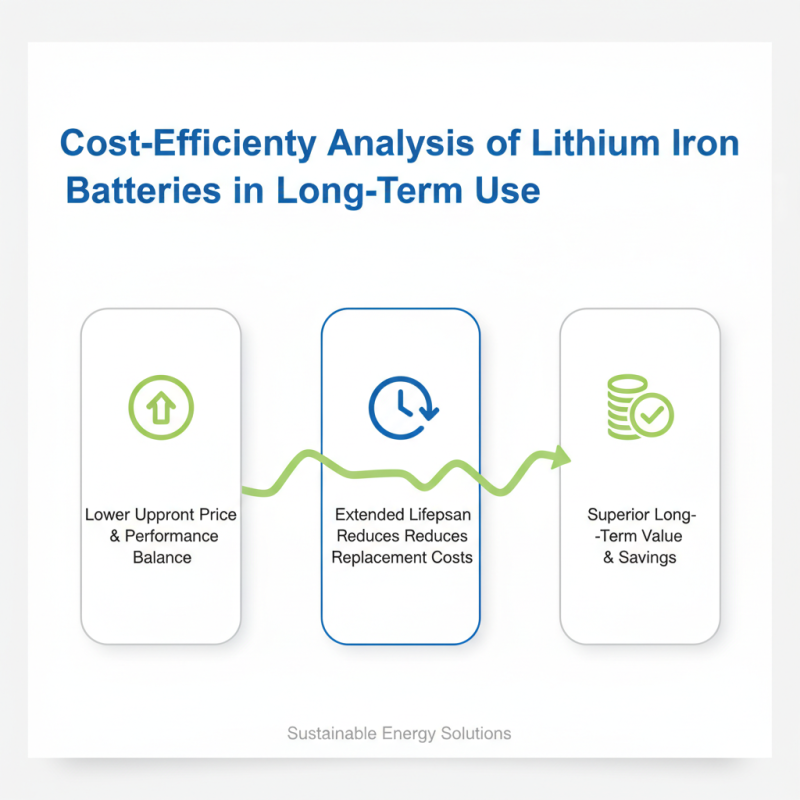
When considering long-term energy solutions, lithium iron batteries stand out for their cost-efficiency. These batteries offer a remarkable balance between price and performance. Lifespan is a crucial factor. Many lithium iron batteries last longer than traditional options, reducing replacement costs over time. This longevity adds to their overall value.
However, the initial investment can be a barrier. They typically cost more upfront than lead-acid batteries. Some may hesitate to make the switch. It's important to calculate total lifecycle costs. Higher efficiency means lower energy consumption during use. For households and businesses, this can lead to significant savings in electricity bills.
Maintenance is another consideration. Lithium iron batteries require less attention compared to their counterparts. This advantage translates into lower labor costs over time. Some people might overlook this aspect. It's essential to account for all factors affecting cost. Evaluating usage patterns can help make informed decisions. Overall, lithium iron batteries present a strong case for energy efficiency with potential cost savings in the long run.